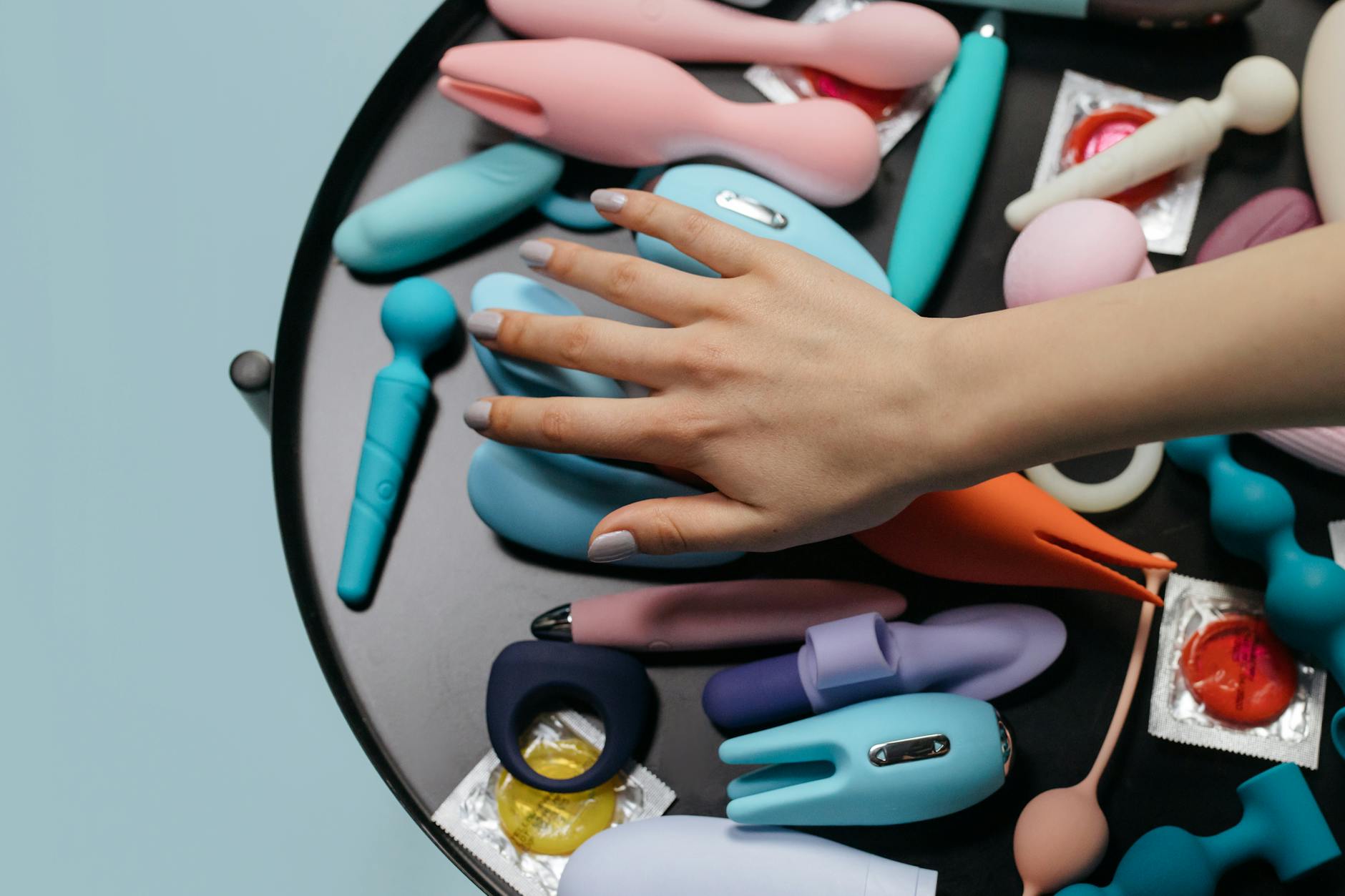
Let's be real: if you have sensitive skin, allergies, or contact dermatitis, buying a lemon vibrator or any clitoral vibrator feels like playing chemical roulette. Most product pages don't list materials clearly. The ones that do bury it in fine print. And nobody talks about what actually happens when your skin touches something it hates.
Here's what I see in my practice: people with sensitive skin or allergies often abandon vibrators altogether, convinced they're just not compatible. That's not true. You just need to know what to look for and what to avoid. This guide cuts through the marketing language and gives you the exact criteria to find a lemon clitoral vibrator your skin will tolerate, not just your body.
Your vulva is not your arm. The skin there is thinner, more permeable, and has a different pH than the rest of your body. Add moisture, friction, and prolonged contact with a foreign material, and irritation happens fast. If you have eczema, psoriasis, contact dermatitis, or a history of yeast infections, your tolerance is even narrower.
Here's the thing nobody tells you: most vibrator reactions aren't immediate. You might be fine on day one, then develop itching, redness, or burning 12 to 48 hours later. By then you're not sure if it was the toy, the lube, or something else. That uncertainty keeps people from trying again.
The good news is simple. Almost every reaction is preventable if you know the three material categories and what each one means for your skin.
Medical-grade silicone is FDA-approved for implants and internal medical devices. It's non-porous, doesn't off-gas chemicals, and doesn't degrade when it touches body fluids or water-based lubricant. If you're buying a lemon vibrator and your skin is reactive, start here. The Lem vibrator and similar devices use medical-grade silicone bodies, which is why they show up in so many conversations about sensitive skin.
Not all silicone is created equal, though. Regular silicone can leach compounds. Medical-grade silicone won't. When you're shopping, look for the phrase "medical-grade silicone" or "platinum-cure silicone" in the product details. If it just says "silicone," ask the brand before buying.
Glass and stainless steel are also excellent choices.
Glass vibrators and stainless steel wands are chemically inert. They don't off-gas. They won't degrade. They're nonporous, so bacteria and yeast can't hide in microscopic pits. If your skin is extremely reactive, glass or steel might feel safer than silicone. The tradeoff is that they conduct temperature differently. Some people love that sensation. Others find cold metal uncomfortable without warming it up first.
Ceramics are an emerging option worth knowing about.
Some high-end clitoral vibrators now use ceramic coatings over silicone. Ceramic is smooth, nonporous, and inert. It's still relatively new in the sex toy space, so there's less long-term data, but early reports from people with severe sensitivities are positive. Ask the brand if you're considering one.
Many cheaper lemon sexual toys use elastomers like TPR, TPE, or jelly rubber. These materials are porous, meaning bacteria and yeast can colonize them. They also often contain phthalates, which are plasticizers that soften the material. Phthalates can leach into your skin, especially in warm, moist environments. If the toy smells strongly of plastic or chemicals when you open the package, that's off-gassing. Avoid it.
PVC is also common and problematic.
PVC vibrators are cheap to manufacture, which is why you see them everywhere. PVC also contains phthalates and often releases volatile organic compounds. If you've ever had a yeast infection after using a toy, PVC was likely the culprit. Your vaginal microbiome is sensitive to chemical exposure, and PVC disrupts it readily.
Cyberskin and realistic materials usually contain phthalates too.
They feel lifelike, which is the point. But that realism comes from chemical plasticizers that your skin doesn't tolerate well. Skip these if you have active sensitivities.
Material matters, but lubrication interacts with it. This is where a lot of people mess up.
If you're using a silicone vibrator, water-based lube is your only safe option. Silicone lube will degrade the toy over time, and oil-based lubes can trap bacteria. Water-based feels less slick than silicone, but it's compatible with all materials and won't irritate sensitive skin.
Glass and stainless steel vibrators can handle any lube type, which is one reason people with severe sensitivities sometimes prefer them. But honestly, stick with water-based anyway. It's the least likely to trigger irritation.
Here's the practical part: not all water-based lubes are equal. Some contain glycerin, which feeds yeast. Others contain parabens or other preservatives that irritate sensitive skin. Look for lubes labeled "paraben-free," "glycerin-free," and ideally "dermatologist-tested." Or ask your gynecologist what they recommend. Many have a short list of lubes they trust.
You've picked a material that seems right. Now comes the part where most people skip ahead and jump straight to use. Don't.
When you first open a vibrator, even a medical-grade silicone one, let it air out for 24 hours in a clean, dry space. Off-gassing from manufacturing is real, and giving the toy time to breathe before it touches your skin reduces your risk.
Next, patch test. I know it sounds precious, but it works. Rub a small amount of lube onto the toy and hold it against your inner arm or inner thigh for 15 to 30 minutes. If you see redness, itching, or burning within the next 24 hours, that material isn't for you. Don't use it on your vulva.
If the patch test passes, try just the toy tip on your vulva for a few minutes without turning it on. Again, wait 24 hours and check for irritation. Only then move to actual use, and start at a low intensity setting.
I get that this feels slow. It is. But one night of preparation prevents weeks of inflammation and the sexual avoidance that comes with it. It's worth it.
If you've tested carefully and still react to medical-grade silicone or glass, the problem might not be the toy. Vulvovaginal dermatitis has many causes, and a vibrator is sometimes just the trigger that reveals an underlying condition.
A dermatologist or gynecologist trained in vulvar health can do patch testing with common toy materials and lubricants to pinpoint exactly what you're reacting to. This takes the guesswork out of shopping and sometimes solves sensitivities you didn't even know you had.
Sensitivity and allergies shouldn't disqualify you from pleasure. You just need to be intentional about what touches your skin. When you pick the right material, test carefully, and pair it with compatible lube, most reactions disappear. And suddenly you're not managing sensitivities around your vibrator. Your vibrator is just part of your routine, like everything else.
What is medical-grade silicone and how is it different from regular silicone?
Medical-grade silicone is manufactured to stricter purity standards and is free from harmful additives like phthalates and BPA. Regular silicone can contain plasticizers and off-gas chemicals. Medical-grade silicone is FDA-approved for use in implants and medical devices, which means it's tested for biocompatibility. When shopping for a lemon clitoral vibrator, look specifically for "medical-grade" or "platinum-cure" silicone in the product description.
Can I use a silicone vibrator if I have a latex allergy?
Yes. Silicone and latex are chemically unrelated, so a silicone vibrator won't trigger a latex allergy. However, some people have cross-reactivity with certain plasticizers in silicone blends. If you have a severe latex allergy, consider glass or stainless steel as your first choice, then medical-grade silicone if those don't work for you. Always patch test before full use.
What does off-gassing mean and is it dangerous?
Off-gassing is when a toy releases volatile organic compounds or plasticizers into the air or your skin. It often smells like strong plastic when you first open the package. Off-gassing from medical-grade silicone is minimal, but cheaper elastomers and PVC off-gas significantly. Exposure to off-gassing chemicals can trigger allergic reactions, yeast infections, or urinary irritation. Let new toys air out for 24 hours before use.
Can my sensitivity to vibrators be caused by something other than the material?
Absolutely. The lube, your current microbiome, the intensity setting, frequency of use, and even stress levels can all trigger irritation. If you react to multiple materials including medical-grade silicone and glass, the problem is likely not the toy itself. Seeing a vulvovaginal dermatologist or gynecologist can help identify whether you have underlying dermatitis, a yeast overgrowth, or contact sensitivity to a specific additive.
Are lemon adult toys from different brands made of the same materials?
No. Different brands use different suppliers and manufacturing standards. Two silicone vibrators from two different makers might not feel the same on sensitive skin because one might be medical-grade and the other a lower grade. Always check the specific material description for each brand, and don't assume two "silicone" toys are equivalent. Ask the brand directly if the product page doesn't specify medical-grade.
What's the best way to clean a vibrator if I have sensitive skin?
Wash with warm water and a tiny drop of unscented, gentle soap before and after use. Rinse thoroughly so no soap residue remains. Dry completely with a clean cloth. Never use douches, vaginal washes, or scented cleaners on your vibrator. For storage, keep it in a soft bag away from extreme heat. If your toy is silicone, store it away from other silicone toys so they don't degrade each other. Proper cleaning prevents bacterial buildup that can irritate sensitive skin.
Sensitivity or allergies don't mean you have to skip pleasure. You're just working with a narrower window, and that's manageable. Pick medical-grade silicone or glass, use water-based lube compatible with your skin, patch test before full use, and give yourself permission to be methodical. Within a few weeks, you'll have found what works. And then you can stop thinking about materials and start enjoying the actual experience, which is the whole point.