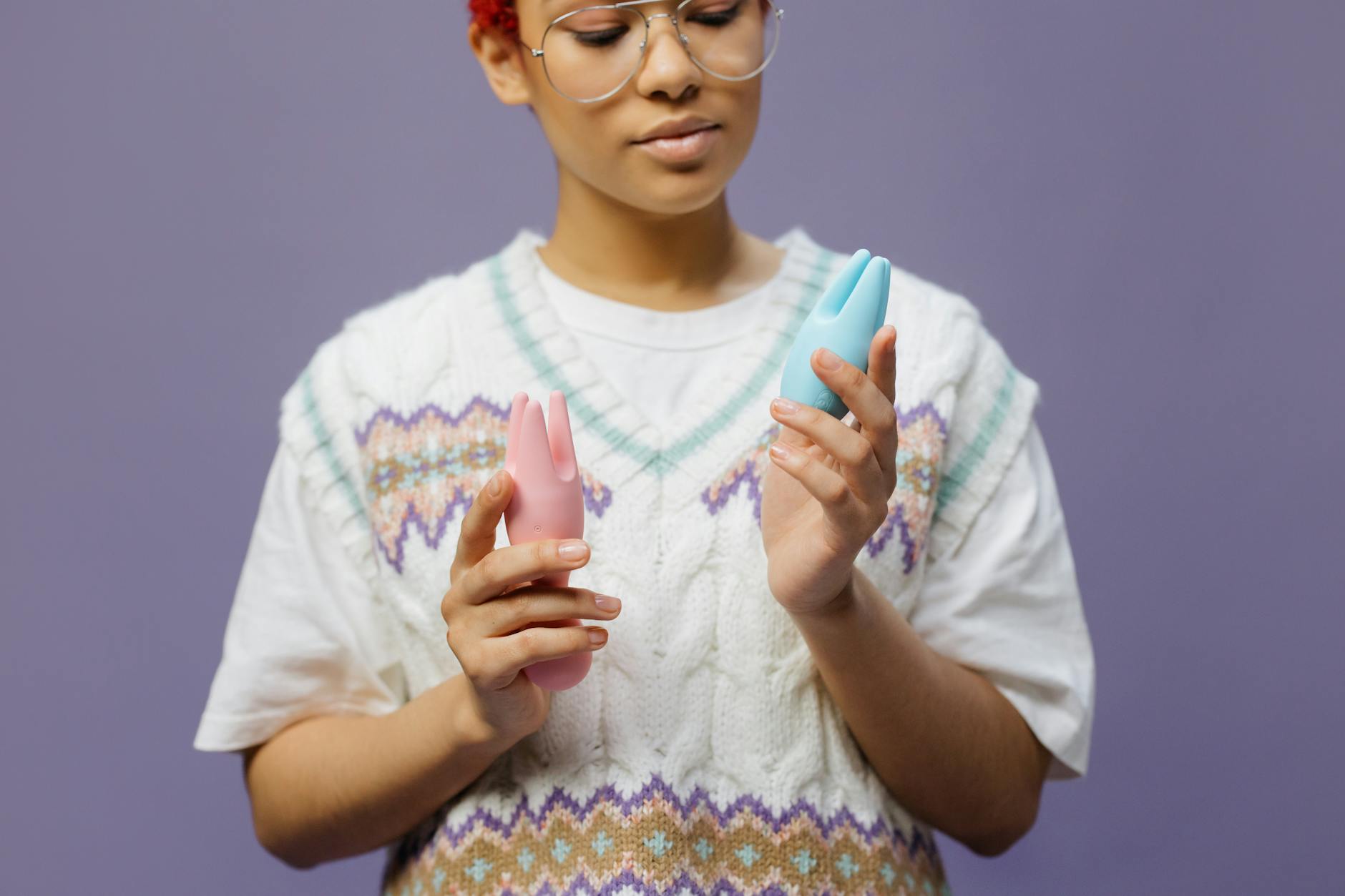
The thing about talking to your partner
Let's be real. Most people don't bring up vibrators because they're afraid of three things: that it means something's wrong, that their partner will feel replaced, or that they'll just laugh it off and the whole thing becomes humiliating. Here's the truth. None of those outcomes is inevitable. What actually happens depends almost entirely on how you frame the conversation. And framing is learnable.
I've worked with hundreds of couples navigating exactly this moment. The ones who do it well have one thing in common. They're specific, they're confident, and they lead with what they want, not what's missing. That distinction changes everything.
Why the timing matters more than the words
Don't bring this up during sex. Don't bring it up when you're stressed or they're stressed. Don't open with it in the car on the way to dinner. Choose a time when you're both calm, clothed, and have privacy. A weekend morning, after work when nobody's hungry or tired, somewhere you can actually talk without interruption. Thirty seconds of planning now saves you from a derailed conversation later.
Also, separate this from other relationship talks. This is not the moment to also discuss date night or your in-laws. Keep the scope tight. One conversation, one topic, one ask.
The opening that actually works
Here's what doesn't work: "I think we need to spice things up." This reads as an accusation. It sounds like you're bored. Your partner hears "you're not enough."
What works: "I've been thinking about something that could feel really good for me, and I wanted to talk to you about it." This is grounded in your experience, not a judgment of theirs. It's collaborative instead of critical.
Then you tell them what you've been thinking about. Directly. "I'm interested in trying a clitoral vibrator. Something like the Lem from Hallo Nancy's Lemons. I think it would add something to what we already do." No apologies. No hedging. Just the thing.
Expect the first response to be a question
They're going to ask why. They might ask if something's wrong. They might ask if you'd rather do this alone. These aren't rejections. They're just questions. And questions mean they're listening.
Here's how to answer the "why": "Because I want to explore what feels best for me. It's not about you or about what we're missing. It's about me knowing my own body better." That's it. Clean. True. Doesn't require them to be a therapist or a sex expert.
If they ask if you'd rather be alone, the answer depends on what you actually want. But here's a useful frame either way: "I'm open to both. I'm curious what you'd prefer." You're inviting them into the decision instead of making it their problem.
What they might worry about and how to answer
They might think they're being replaced. Say this: "A vibrator isn't a substitute for you. It's a tool that helps me feel more in my body, which makes everything better for us." And mean it. Because it's actually true. People who know their own pleasure are better partners.
They might worry about performance. Say this: "This isn't about you not being enough. It's about me understanding my own sensitivity better." Then, if they're open to it, invite them in: "I'd actually love for you to be part of this if you want to be."
They might think it's weird. That one's harder because you can't logic someone out of a feeling. What you can do is normalize it. "Lemon vibrators are pretty common. A lot of people use them. I'm not the only one thinking about this." That's true. Studies show that over 50 percent of people with vulvas use vibrators at some point. You're not weird. You're just informed.
They might say they need time to think about it. Perfect. You're not asking them to decide right now. You're just telling them what you're interested in. Say: "That's totally fair. I'm not in a rush. Just wanted to bring it up." Then actually give them space. Don't keep pushing.
If they say yes
Don't immediately order something together or make a whole shopping experience out of it. That can feel overwhelming. Instead, you might send them a link to something like the Lem if they ask. Or you might get it yourself, use it a few times solo, and then show them what it's like. Some partners want to be involved from the start. Others want to understand it first.
When you do use it with your partner, keep it low pressure. This isn't a performance. It's an experiment. You're exploring what feels good. If it doesn't work the first time, that's fine. New things often feel awkward initially.
If they say no
This is the harder outcome, but it happens. They might not be ready. They might have baggage around toys. They might feel threatened in a way that needs more conversation. Here's where you get to decide what you actually want.
Do you want to use a vibrator solo? Most people with partners do. That's completely separate from partnered sex. You can explore your own pleasure on your own time, and that often enriches what you do together because you know yourself better.
Do you want to wait and revisit this later? Fair. People's minds change.
Do you want to prioritize your partner's comfort over your curiosity? That's a values call. Just make sure you're making it consciously, not out of shame.
The follow-up conversation
If they said yes and you've used a vibrator together, there's a light follow-up conversation. Not immediately after. A few days later, something like: "I really liked that. Did you?" or "Want to do that again?" You're checking in, not grading the experience. You're collaborating.
If something felt off, that's data too. Maybe you need more time. Maybe the vibrator settings need adjusting. Maybe you were in your head. That's all fixable. What matters is that you're both talking about it like adults.
When to loop in professional support
If this conversation explodes into something bigger. If your partner becomes angry, dismissive, or makes you feel shame about your body. If you realize there's a deeper trust issue here. That's a sign to see a couples therapist. A good one won't be shy about intimacy conversations. How to Use Lemon Vibrators When Your Partner Wants to Join But You Feel Anxious covers some of that anxiety too, and it might help you understand what's actually at stake.
Also consider that if your partner remains firmly against toys, you're not the problem. Sometimes couples have mismatched comfort levels with sexual exploration. That doesn't mean you're wrong for wanting it. It means you get to decide what you're willing to compromise on.
A note on pleasure as non-negotiable
Here's what I tell every couple I work with. Your pleasure isn't selfish. Knowing your body isn't threatening to your partner. Exploring what feels good doesn't diminish your relationship. It strengthens it because you're bringing more honesty and more self-knowledge to the connection. When you can talk about these things without shame, everything else gets easier.
The conversation about introducing a lemon clitoral vibrator is just the beginning. It's a gateway to talking about desire, about what feels good, about what you want. Those are the conversations that actually deepen intimacy. And they all start with one person being brave enough to speak up.
If you're stuck on how to bring this up, how to use lemon vibrators when your partner isn't sure about toys has more grounded tactics. The point is you don't have to figure this out alone. You don't have to feel ashamed. And you definitely don't have to stay silent.
Frequently asked questions
What if my partner thinks I'm having an affair or talking to someone else about this?
That reaction usually points to something deeper than the vibrator. It might be insecurity, past trauma, or distrust that existed before this conversation. Here's what helps: Stay calm. Don't get defensive. Say: "I'm bringing this up because I trust you and I want to explore my own pleasure. That's not about anyone else." If they remain convinced you're hiding something, consider whether this is actually about the vibrator or whether there's a larger trust issue that needs addressing. A therapist can help untangle that.
Is there a "best" lemon vibrator to introduce first?
The Lem from Hallo Nancy's Lemons is actually a smart entry point. It's not intimidating, it's elegant enough that it doesn't scream "sex toy," and the suction technology feels genuinely different from what most people expect. But honestly, the toy matters less than the conversation. If your partner is comfortable with the idea, almost any clitoral vibrator will work. If they're not comfortable with the idea, the fanciest vibrator won't change that.
What if I'm nervous they'll want to use it on me immediately and I'm not ready?
That's fair. You can say: "I want to explore this on my own first so I can figure out what I like. Then we can revisit how we use it together." Setting that boundary upfront saves confusion later. Partners generally respect clear communication better than they respect hints or gradual escalation.
How do I know if my partner's hesitation is just nervousness or actual rejection?
Ask directly. "Are you open to this eventually but nervous right now?" or "Is this something you don't want to do at all?" Those are two completely different answers that lead to two different conversations. Nervousness is often workable. Firm rejection is harder. But at least you know what you're actually dealing with.
My partner said yes but seems uncomfortable when we actually try it. What should I do?
Pause. Don't keep going hoping they'll relax. Say: "I'm noticing this feels weird for you. What's going on?" They might need more time. They might need to talk through what's uncomfortable. They might need to try it on their own first. Listen. Don't push. The goal isn't to use a vibrator tonight. The goal is to build comfort and trust around pleasure exploration.
Can I just buy a vibrator and surprise them with it?
I'd recommend against it. Surprising someone with a sex toy usually lands as jarring or presumptuous rather than sexy. This conversation is better when you're both on the same page going in. The surprise is more about what the vibrator does, not about its existence.
The bottom line
Introducing a lemon clitoral vibrator to your partner is just a conversation. It's not a referendum on your relationship or a diagnosis of what's "wrong." It's you saying "I want to explore something that might feel good." That's brave. And it's worth doing with confidence. Start with specificity. Lead with your desire, not your criticism. And remember that your pleasure matters. Always.
If you need more support navigating the emotional side of bringing toys into your partnership, get in touch. The team at Hallo Nancy's Lemons is here to help you figure this out.