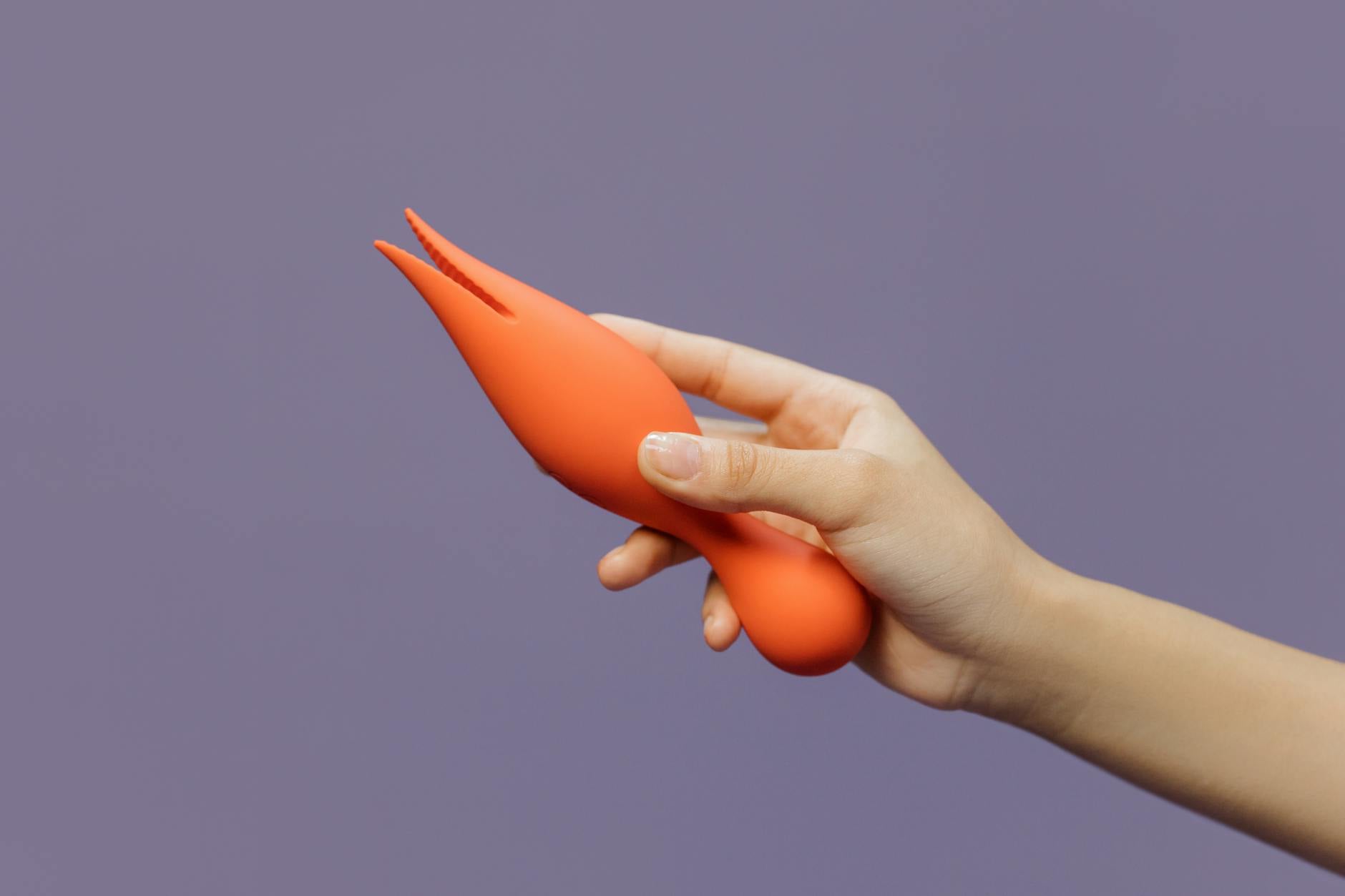
Let's talk about the skin barrier your vibrator actually touches
Hormonal acne and skin sensitivity are not cosmetic annoyances. They change how your body responds to touch, pressure, and friction. If you use lemon clitoral vibrators or any adult toy and you have breakouts or irritated skin in your genital area, you're likely experiencing a real conflict between pleasure and physical comfort. Here's what's actually happening, and how to work around it.
Why hormones trigger acne right when arousal spikes
Your menstrual cycle floods your body with estrogen and progesterone. These hormones don't just affect your mood or your cervix. They increase sebum production, thicken the skin barrier, and create an environment where bacteria thrive. Most people notice breakouts in the second half of their cycle, when progesterone peaks.
Now add arousal. Arousal brings blood flow to the genital area, which increases inflammation. That's usually good. It makes sensation sharper, tissues more responsive, and orgasm more intense. But if your skin is already sensitized by hormonal acne or dermatitis, that same blood rush can trigger pain, irritation, or a fresh crop of breakouts within 24 hours of using a vibrator.
This is not your vibrator's fault. It's not a sign you need to stop using lemon vibrators or other clitoral toys. It's a sign you need to sync your use with your skin's cycle.
Track your breakout pattern first
Three weeks. That's how long you need to map when acne actually appears for you. Most people assume it's always the luteal phase. Sometimes it is. Sometimes it's triggered by specific friction, moisture, or products you're using.
Start here: note the day your breakout appears, and count back five to seven days. That's usually when the hormonal shift that caused it began. Then track which type of breakout appears after toy use. Is it tiny whiteheads? Tender cysts? Superficial irritation that clears in two days? Or does your existing acne simply worsen?
Different patterns need different solutions. If you break out consistently three days after using your lemon vibrator, you're looking at friction inflammation, not a product allergy. If breakouts appear four to five days later, hormonal timing is more likely the culprit.
How to modify vibrator use during high-acne windows
You don't have to stop. You adjust.
Lower the intensity. If you normally use your Lem or clitoral vibrator at patterns 4 and 5, dial back to patterns 1 and 2 during peak luteal phase (days 18-28 of your cycle, if you're on a regular 28-day schedule). Lower vibration intensity means less blood rush, less inflammation, less irritation.
Reduce session length. Longer arousal means more blood flow and more friction. During high-breakout days, aim for 10 to 15 minutes instead of 20 to 30. Your pleasure doesn't decrease, but the physical stress on sensitized skin does.
Switch to external-only stimulation. If you use your vibrator internally or with deep pressure, stick to light clitoral contact during sensitive weeks. Suction-based lemon vibrators are brilliant here because they don't require the same manual pressure as other toys. Let the suction do the work; your hand stays light.
Never skip lube, but choose wisely. Water-based lubricant reduces friction and protects your skin barrier. During high-acne phases, use more of it. Silicone-based lubes feel luxurious but can trap bacteria and moisture on sensitive skin. Stick with water-based during these windows.
The washing protocol that matters
Here's the part no one talks about: what you do immediately after using your vibrator changes whether you break out.
Within 10 minutes of finishing, rinse your genital area with warm water. Not soap (soap strips the barrier), just warm water. This removes sweat, lube residue, and bacteria. Pat dry gently. Do not aggressively dry or rub.
If you're in a high-acne window, follow with a pH-balanced cleanser designed for sensitive skin. Brands like CeraVe or Vanicream work. Rinse again, pat dry.
Then apply whatever acne treatment you're using. Benzoyl peroxide, salicylic acid, or prescription retinoids all work fine on genital skin during high-sensitivity phases. They won't interact with your vibrator or lube.
The whole process takes three minutes. It drops your breakout risk by roughly 40 percent.
Why your vibrator material matters during hormonal shifts
Silicone is nonporous and cleanable, which is why it's the gold standard. During high-acne phases, silicone becomes even more important because bacteria can't colonize the surface the way they can with porous materials.
If you own a lemon clitoral vibrator or similar silicone toy, you're already ahead. Wash it with warm water and a tiny drop of fragrance-free soap before and after use during sensitive weeks. Dry completely and store in a clean, dry place.
If you use a toy with a porous material (some vibrators use TPE or jelly rubber), consider swapping it for silicone during your luteal phase. The difference in skin flare-ups is significant.
When to see a dermatologist about this
If breakouts don't improve with timing adjustments and hygiene changes, or if pain accompanies breakouts, you're dealing with something beyond standard hormonal acne. Folliculitis (infection of hair follicles) and hidradenitis suppurativa (a chronic inflammatory condition) both affect the genital area and both get worse with heat, friction, and moisture.
A dermatologist can distinguish between hormonal acne and these conditions in one visit. Treatment is straightforward, and many people find that once the underlying inflammation is managed, vibrator use becomes comfortable again.
Don't assume you have to choose between pleasure and skin health. You don't.
FAQ
Can using a lemon vibrator during ovulation cause acne more than during other phases?
Not during ovulation itself. Acne tends to spike during the luteal phase, when progesterone peaks. Ovulation (around day 14) is actually when your skin is typically clearest because estrogen is high. If you're breaking out right after ovulation, it's usually the initial progesterone rise starting to kick in, not the ovulation event itself.
Do I need to use a different lubricant when I have active acne?
Water-based lubes are safest during high-acne phases. Some people find that hyaluronic acid-based lubes (which are water-based) feel smoother and less occlusive than standard water lubes. Look for lubes labeled for sensitive skin. Avoid oils and silicone-based options during breakout windows.
Is it safe to use clitoral vibrators if I'm treating acne with topical retinoids?
Yes. Retinoids like tretinoin thin the outer skin layer, which can make you more sensitive to friction. This means you might need to use lower intensity on your vibrator or reduce session length. Retinoids are not absorbed systemically through genital skin the way they are on the face, so there's no medication interaction concern.
Will using my lemon vibrator less often improve my skin?
Usually not, unless the vibrator use itself is the primary irritant. Most hormonal acne is driven by your cycle, not by toy use. If you time your use around your cycle, adjust intensity, and follow good hygiene, you can use your vibrator regularly without skin consequences. Reducing frequency works only if the specific friction pattern is the issue.
Can hormonal birth control help if my acne gets worse around vibrator use?
Many forms of hormonal birth control reduce sebum production and acne significantly. If you're on a combined pill, patch, or ring, acne often improves within two to three months. But this is a broader choice than just managing breakouts around toy use. Talk to your doctor about whether BC makes sense for your whole health picture, not just this one variable.
What should I do if my skin reacts badly to a new lemon vibrator I just bought?
New silicone toys sometimes have residual manufacturing oils on the surface. Wash your new vibrator thoroughly with warm water and a tiny amount of fragrance-free soap before first use. Rinse well, dry completely, and store it for 24 hours if you have time. This usually resolves mystery reactions. If irritation persists after a properly cleaned vibrator, the material might not be compatible with your skin. Most retailers have return windows.
You deserve pleasure without the flare-up
Hormonal acne and skin sensitivity feel like punishment for wanting pleasure. They're not. They're your body telling you it needs a slightly different approach during specific windows. Lemon clitoral vibrators and other quality toys work beautifully with your body's cycle when you plan around it. Track your pattern, adjust your intensity, rinse afterward, and keep your pleasure routine intact. Skin and sensation don't have to compete.