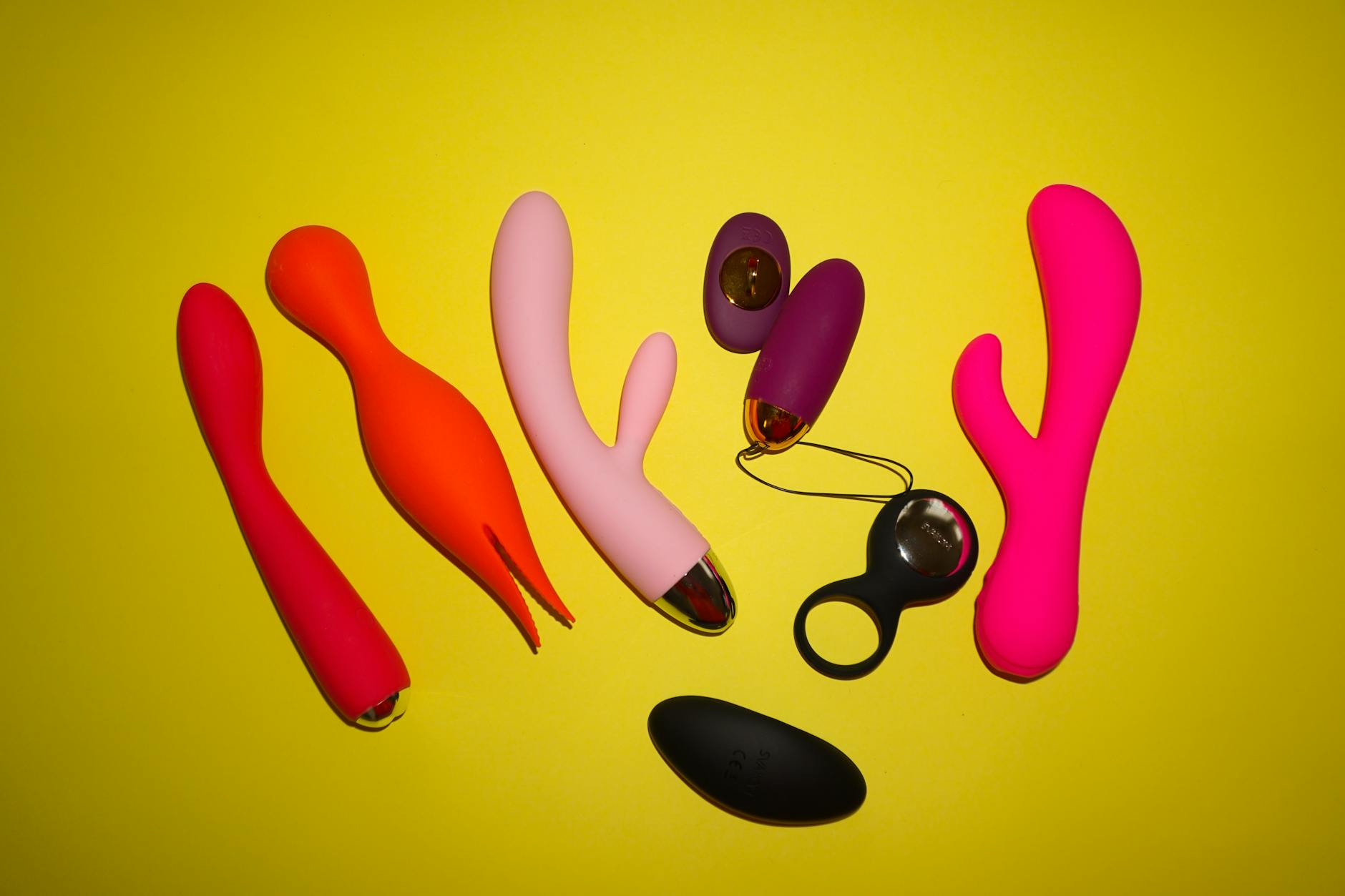
Here's what actually changes
Your body isn't broken. It's just operating on different hardware. After 40, the combination of lower estrogen, decreased blood flow, and thinner genital tissue means arousal takes longer to build. What used to feel effortless at 25 might take 20 or 30 minutes now. Some people find sensation is duller, delayed, or requires different kinds of pressure.
The instinct is to panic and assume pleasure is leaving. It's not. Your nervous system is the same. Your capacity for orgasm is intact. You're just working with a different timeline, and that timeline is actually workable once you stop fighting it.
Why sensation slows down (the biology part)
Four things happen simultaneously. Estrogen drops, which means the tissue lining your vulva gets thinner. That thinner tissue is less sensitive to light touch. At the same time, blood flow to the clitoris decreases, which means engorgement takes longer. Your nervous system also becomes slightly less responsive to stimulation at baseline. And finally, your brain is often doing seven other things at once—managing work, family, a thousand low-level stressors—which fractures the focus that arousal actually requires.
None of this means you're aging out of pleasure. It means the entry ramp is longer.
Why lemon vibrators actually help here
Lemon clitoral vibrators work differently than your hand or a partner's touch. The suction and pulsing mechanism creates consistent, targeted stimulation that doesn't rely on sensation being sharp. Instead of waiting for light touch to register, suction engages deeper nerve clusters that wake up faster than the surface layers.
The beauty of a lemon vibrator, specifically, is that the patterns can be adjusted. You can start at low intensity and let your body build gradually. You're not stuck with one sensation. You can move through patterns as arousal increases, which mirrors how your pleasure actually wants to unfold at this stage of life.
Many clients report that using a lemon vibrator lets them skip the frustration phase entirely. Instead of 20 minutes of "Am I feeling anything?" followed by wondering if it's even worth continuing, they find sensation within 5-8 minutes.
The timing shift that matters most
The single biggest mistake I see is people rushing. They expect sensation to arrive on the old schedule and then get discouraged when it doesn't.
Instead, budget 25-40 minutes for solo play now. That sounds long, but here's what that time actually includes: settling in, clearing your head, five minutes of no-vibrator touch, five to eight minutes with the vibrator at low intensity, then escalation from there. Most of that time is foreplay and transition, not mechanical stimulation.
The other shift is patience with plateau. Arousal doesn't climb in a straight line anymore. It builds, plateaus, dips slightly, then builds again. This is completely normal. Staying with the vibrator through a plateau—not cranking intensity, just continuing at the same level—lets your body catch up. Sensation almost always deepens if you don't interrupt it.
How to actually use a lemon vibrator at this stage
Start without it. Spend 5-10 minutes on your own without the vibrator. Touch your thighs, your abdomen, your breasts. Let your body remember that touch feels good. This isn't rushing toward anything. It's permission.
Begin at pattern 1 or 2. Most lemon vibrators have 7-10 patterns. Start at the lowest. You're not chasing intensity. You're building awareness.
Hold it there for 3-5 minutes. Don't escalate. Let your clitoris wake up. Use a water-based lubricant. Even though you're using a vibrator, lube helps sensation travel and prevents the slight friction that can numb things if tissue is thinner.
Then move through patterns slowly. Spend 2-3 minutes at each level. When you feel ready, move up. When something feels good, stay with it. Your arousal rhythm is slower, which means you have permission to follow it exactly.
Notice what changes intensity without changing the vibrator. Angle shifts. Pressure changes. These small adjustments often feel more dramatic than switching patterns when tissue is less sensitive. Play with them.
Expect the first orgasm to take 15-20 minutes. The second one usually comes faster. Don't treat the first one as the goal. Treat the whole experience as the practice.
The lube conversation that actually matters
Lubrication becomes non-negotiable here, and not because you're "dried out" or deficient. Thinner tissue benefits from the consistency and slip that lube provides. It reduces friction that can feel too intense. It helps sensation travel.
Water-based lubricants work best with lemon vibrators. Silicone lubes feel richer but they can degrade silicone toys over time. A good water-based option lets the vibrations translate clearly without any weird catch or drag.
Reapply every few minutes. As you warm up, you'll produce your own moisture, but especially in the first 10 minutes, external lube keeps things comfortable and sensation clear.
What to do if sensation still feels muted
If you're 20 minutes in with a lemon vibrator and sensation still feels dull or distant, that's information. Three things might be happening:
First, your head might not be in it yet. Distraction is a massive dampener on sensation. Put the vibrator down. Spend another five minutes on breathing, on your body, on nothing else. Then return.
Second, you might need a different intensity pattern. Some people find that suction-based patterns feel more intense than pure vibration. If vibration-only patterns feel muted, try the pulse or suction modes.
Third, touch-sensitivity might actually be lower than you expected, which means asking a doctor about it is reasonable. Genitourinary syndrome, certain medications like antidepressants, or hormonal changes can genuinely lower sensation. None of those are permanent, and most are highly treatable. A menopause-trained GP can run a quick check.
But in most cases, slower foreplay plus consistent stimulation plus patience is the answer. Your body is the same. The timeline just shifted.
The pleasure-pacing conversation with partners
If you have a partner, this shift affects them too. Many partners panic when arousal takes longer. They interpret it as disinterest. It's not.
One of the best things you can do is use your lemon vibrator solo first. Get comfortable with the new timeline. Then, if you want to integrate it during partnered sex, you're not discovering the timeline together in a moment where things already feel slower than expected.
You can also frame it clearly: "My arousal takes longer now. That's not about you or us. Here's what helps." Lemon vibrators are brilliant for this conversation because they're specific. Not vague, not blaming. Just useful.
Some partners love being involved in this. Others prefer stepping back for solo sessions. Both approaches work. The key is naming it instead of letting it become an unspoken frustration.
FAQ: Your Questions About Age, Sensation, and Lemon Vibrators
Why does clitoral sensation actually feel duller with age?
Three reasons compound: estrogen levels drop, which changes genital tissue thickness; blood flow to the area decreases, which slows engorgement; and your nervous system becomes slightly less responsive to light touch at baseline. None of this is permanent or severe. It just means sensation requires a different approach. This is why consistent, deeper stimulation from a lemon vibrator works better than light touching. Suction engages nerve clusters that respond faster.
Can I speed up arousal if I'm impatient?
Not without making it worse. Rushing usually backfires because you're fighting your body's actual rhythm. What you can do instead is set realistic time expectations. Know it will take 20-30 minutes, plan for it, and use that time intentionally. Arousal is not a race you're losing. It's a door that takes a longer time to open now, but it opens just as fully.
Is using a vibrator at my age giving up on natural arousal?
No. Your natural arousal is real and intact. A lemon vibrator is a tool that works with it, not against it. Think of it like wearing glasses. Your eyes are still yours. The glasses just help them function better. Some women find that using a vibrator actually brings them closer to their body because sensation finally becomes clear enough to trust.
Should I use lemon vibrators differently than I would have at 30?
Yes. Patience is the main difference. More foreplay, longer warm-up time, lower starting intensity, and permission to take 20+ minutes. At 30, you might have used a vibrator as a quick finish. At 45, you're using it as part of a longer sensory experience. Neither approach is better. They're just different because your body's speed is different.
What if my partner is uncomfortable with vibrators?
Let them read the body of this article or have a calm conversation about it being a solo tool first. Many partners soften when they understand it's not replacing them. It's solving a biological timing mismatch that has nothing to do with attraction or the relationship. If they remain uncomfortable, that's a conversation beyond sex toys, possibly worth exploring with a couples therapist.
Can antidepressants or other medications slow sensation further?
Yes. Some medications, especially SSRIs, can reduce genital sensation or delay orgasm. If you notice a sharp change after starting something new, mention it to your doctor. They might adjust the dose or timing, or you might switch to a medication with fewer sexual side effects. Don't stop taking medication on your own, but do mention it. It's treatable.
The actual skill here
The real work isn't the vibrator. It's giving yourself permission to slow down. Your body hasn't abandoned pleasure. It's inviting you into a different relationship with it.
Arming yourself with a good lemon vibrator, understanding your new timeline, and letting patience be your strategy transforms the experience. You're not chasing something you lost. You're learning how pleasure works now.
Ready to practice? Get in touch if you want personalized strategies for your specific situation. And remember: slower arousal at 40, 50, or beyond is biology, not failure. It's workable. You've got this.