The honest thing nobody says out loud
You've been out of the game. Maybe you were single for years. Maybe you were in a relationship where sex stopped happening. Maybe life just got in the way. Now there's someone new, and suddenly you're facing the question: how do I do this again?
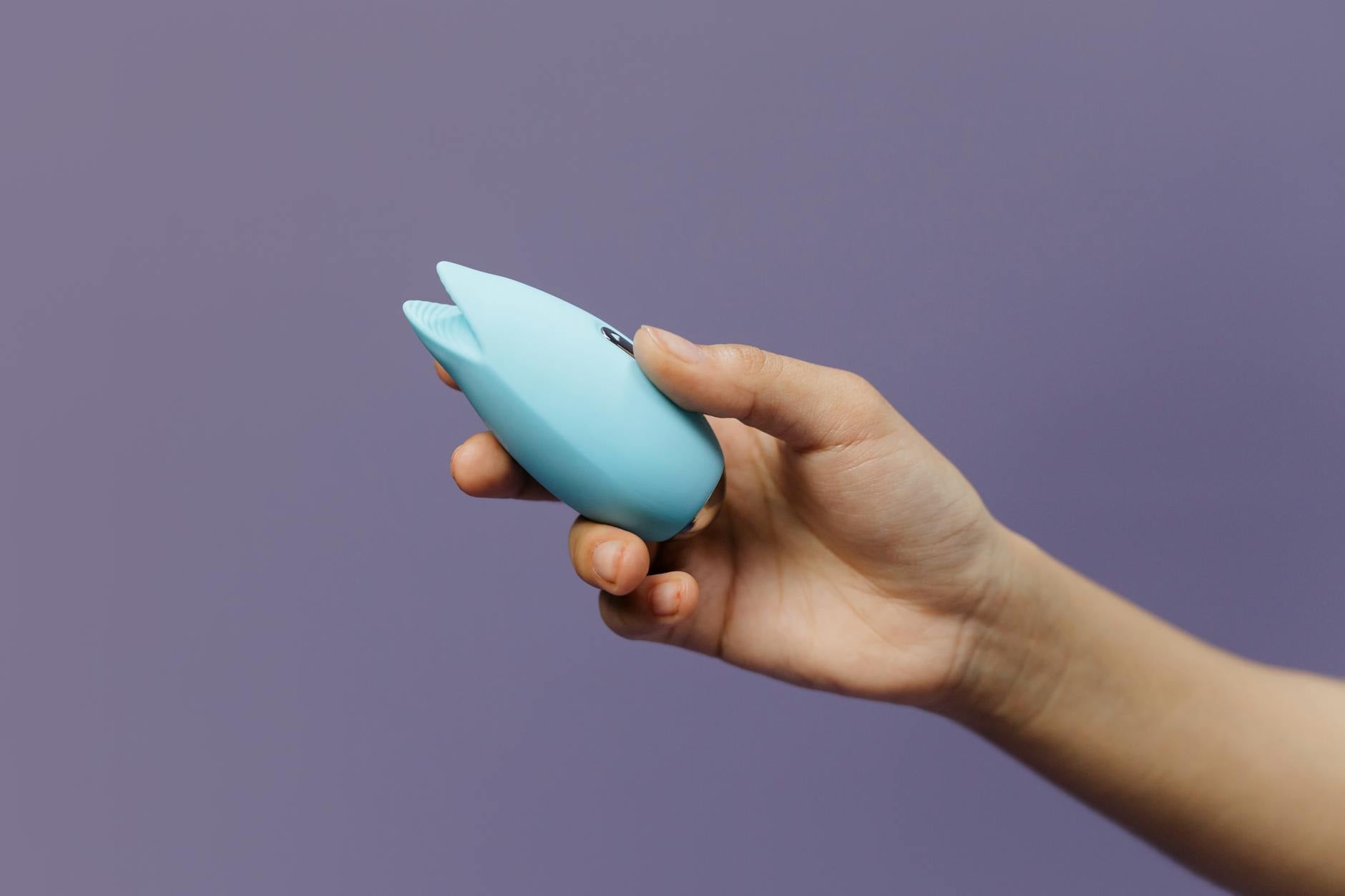
Here's what I've heard from dozens of people in exactly your position: there's a gap between wanting to have sex and being able to have sex after a long break. Your brain might be ready. Your body might have other ideas. That gap is real, normal, and entirely fixable. And a lemon clitoral vibrator makes the whole process less lonely and a lot less scary.
Why the break changes everything (and why that's okay)
Time away from sex isn't neutral. Your nervous system has learned new patterns. If you stopped having sex because of pain, shame, or a difficult relationship, your body might have protective walls up. Arousal takes longer to build. Touch might feel unfamiliar or even slightly triggering at first. Your pelvic floor might be tense. Your mind might race during intimate moments.
None of this means you're broken. It means you're restarting with a body that's been in a different mode for a while. That requires a different approach than jumping back in and hoping your muscle memory carries you.
The research on sexual return is clear: when people reintroduce sex gradually, with tools that give them control, outcomes are better. You feel more confident. Your partner feels less pressure. The experience is less likely to trigger old wounds or anxieties. A lemon vibrator is a control lever you hold. That matters more than you might think.
The conversation with your partner (before anything physical)
Let's start here, because this conversation determines everything that comes after. You need to tell your partner three things, and you need to mean them:
"I want this, but I want to go slowly." Not "maybe someday." Not "I'm not sure." Clear desire paired with clear boundaries. If you're genuinely unsure, say that instead. Faking enthusiasm creates more problems than honesty ever will.
"My body might not cooperate at first, and that's information, not failure." You're not guaranteeing instant arousal or easy orgasms. You're saying that if your body takes time or sends confusing signals, you'll work through it together rather than spiraling into shame.
"I'm going to use a vibrator, and here's why." Don't ask permission or apologize. Explain it as a tool that helps you access pleasure on your timeline. Something like: "I've been away from sex for a while. A vibrator helps me get in touch with what feels good without pressure. I'd love for you to be part of that." Ownership matters. Your partner can be present and supportive without driving the experience.
That last conversation is the one people dread most. In reality, most partners respond well to honesty and initiative. You're not saying "I don't want you." You're saying "Here's what helps me want you more."
Why lemon vibrators work for this specific situation
A clitoral vibrator gives you something traditional sex can't: absolute control over stimulation. No rhythm syncing. No performance pressure. No waiting for someone else's pace. You set the pattern, the intensity, the duration.
For someone returning to sex after a break, that control is not selfish. It's essential. It builds arousal deliberately instead of hoping it happens. It teaches your nervous system that sex doesn't have to be chaotic or uncertain. And it gives your partner a clear signal of what pleasure looks like on your body, which makes partnered sex easier later.
Lemon vibrators specifically use air-suction technology rather than pure vibration. That means the sensation is broader, less localized, and less likely to feel overwhelming if your nerve endings are sensitive after a long break. You can start with low settings (pattern 1 or 2) and work up. The technology also creates a seal without aggressive vibration, which means you can use it longer without numbness or fatigue.
The practical steps for your first time together
Don't dive into partnered sex on day one. Instead:
Week 1 to 2: Solo exploration. Use your lemon vibrator alone, no audience. Figure out what patterns feel good. Find your baseline arousal. This isn't performance. It's research. Spend 15 to 20 minutes, start low, notice what your body responds to.
Week 2 to 3: Introduction with your partner present. You're using the vibrator, they're nearby, maybe kissing you or touching you elsewhere. No pressure for them to do anything specific. This is about desensitizing you to being vulnerable with another person in the room. It's surprisingly important.
Week 3 to 4: Integration. Your partner touches you, then you use the vibrator. Your partner uses the vibrator on you (if you want). You're building comfort in stages instead of jumping from zero to full partnered sex.
This timeline isn't rigid. Some people need two weeks. Some need two months. The point is that each stage is its own win. You're not racing toward penetration or any specific endpoint. You're rebuilding the skill of feeling pleasure with another person present.
Managing the anxiety that shows up (because it will)
Honestly though, anxiety during sex after a long break is predictable. Your brain is trying to protect you. Your nervous system is uncertain. You might have racing thoughts. You might feel your body "checking out" mid-arousal. You might experience pain or numbness or sudden disconnection.
Here's the distinction that matters: none of that means stop. It means slow down. Pause for ten minutes. Breathe. Use the vibrator solo for a bit. Reset. Then try again.
If you have a history of sexual trauma or pain, this is where a therapist trained in somatic work becomes invaluable. A lemon vibrator is a tool, not a cure. If your nervous system needs professional support to feel safe, get it.
The pleasure part (what comes after the logistics)
After a few weeks of gradual reintroduction, something often shifts. Your body starts to remember what pleasure feels like. Your partner learns what touches make you respond. Your nervous system starts to trust that sex with this person is safe. Arousal becomes less forced and more genuine.
That's when lemon vibrators shift from a management tool to a pleasure tool. You use it because it feels amazing, not because you need it to kickstart arousal. Your partner might use it on you during penetration. You might use it while they touch you elsewhere. The experience becomes collaborative instead of cautious.
Many people tell me that sex after a long break, when done this way, is actually better than it was before. Less performance anxiety. More actual desire. More communication. Fewer mismatched expectations. You've built something on honesty rather than habit.
When to get more support
If pain shows up during any of this, see a pelvic floor physical therapist. Pain after a long break is common, but it's also fixable. You might need pelvic floor release work or desensitization exercises. That's medical, not psychological, and it matters.
If your partner responds with pressure, impatience, or resentment to your timeline, that's a relationship problem, not a you problem. A good partner will wait. A good partner will be curious about your tools. If yours isn't, you're getting information about compatibility that's worth knowing now.
If you find yourself spiraling into shame or dissociation, reach out to a sex therapist or trauma-informed counselor. You don't have to white-knuckle your way through this. Help exists.
The real reason this works
Lemon vibrators don't magically fix the vulnerability of returning to sex. What they do is give you consent over your own body while someone else is present. That's the missing piece for most people rebuilding sexual confidence. You're not handing control to your partner or to chance. You're holding it.
From there, the rest builds naturally.
People also ask
Should I tell my new partner about my long break before we get intimate?
Yes. Not a detailed sexual history (unless you want to share one), but context. "I've been out of the dating scene for a while" or "I'm getting back into sex after time away" is enough. Most people appreciate knowing they're someone's first time back. It actually softens expectations on both sides.
How do I know if I'm ready to have sex again after time away?
You're ready when the desire to be intimate is stronger than the fear. Not zero fear. Stronger fear. And you have a partner who's willing to move at your pace. If you're doing it because you think you "should" by now, you're not ready.
What if I can't orgasm with my partner even with a lemon vibrator?
Orgasm isn't the goal here. Pleasure and connection are. Some people need three months to orgasm with a new partner after a long break. Some need longer. The pressure to come on a timeline is what makes it harder. Keep the vibrator in the toolkit, but let go of the outcome. Your body will respond when it trusts the situation.
Is it weird to use a vibrator with a new partner this early?
Not at all. People use vibrators because they work. A new partner who's uncomfortable with that isn't the right fit for you. You deserve someone who's curious about how you work, not threatened by it.
Can I use a Hello Nancy lemon vibrator during penetration?
Absolutely. The Lem is external and compact, so it works well during partnered sex. You can use it on yourself, or your partner can hold it while you're together. It's designed for that versatility.
What if my body doesn't respond the way it used to before the break?
It probably won't, at first. That's not permanent. After a few months of consistent sexual activity, your baseline arousal shifts, lubrication returns to normal, and sensation feels more familiar. Your body hasn't forgotten how to respond. It just needs time to remember that sex is safe again.