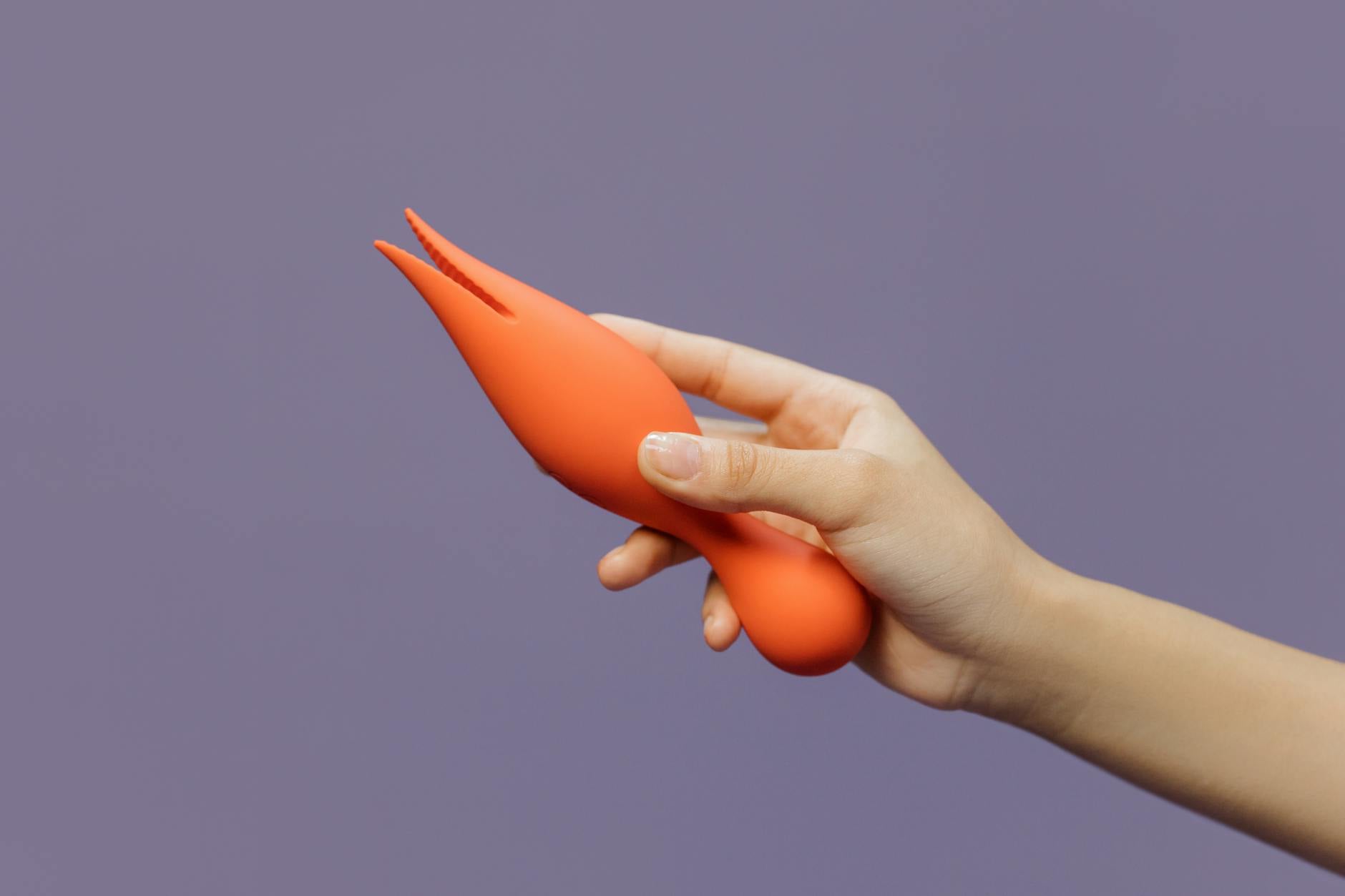
Let's talk about what nobody warns you about
Miscarriage or pregnancy loss rewires pleasure. Not permanently, and not inevitably, but in ways that surprise most people. Your body goes through hormonal freefall. Your nervous system learns grief. Your brain is caught between grief and whatever feeling you expected to feel instead. Of course a lemon vibrator is going to feel different.
Most conversations about intimacy after loss focus on emotional readiness or "giving yourself time." Both matter. But here's what gets missed: the physical, neurological, and hormonal reality of what your body is actually experiencing right now. That's what I'm going to walk you through.
What happens hormonally after pregnancy loss
Your body thought it was building toward something. Then suddenly it wasn't. Progesterone, which was rising, crashes. Estrogen follows. Your nervous system, flooded with these pregnancy hormones, has to recalibrate to non-pregnancy levels. This happens over days to weeks, and it's not a smooth slide. It's more like an elevator in free fall, then a sudden stop.
That crash affects:
- Tissue sensitivity and thickness
- How quickly you can become aroused
- How your body registers touch
- The sensation of pleasure itself
Add to this the fact that your pelvic floor, which has been shifting and preparing for weeks or months, is now sending confusing signals to your brain. The physical apparatus of pleasure is in transition. Everything from a gentle touch with a lemon clitoral vibrator to partnered intimacy can feel foreign, numb, too much, or wrong.
None of this is abnormal. It's not a sign that your pleasure is broken or that you're "too messed up" to enjoy yourself. It's basic biology.
The grief layer
Here's what makes this more complicated than a hormonal shift alone: your brain is grieving. And grief is not a clean emotion that stays in one channel. It leaks everywhere.
Your body associates pleasure with hope, with future, with celebration. After loss, touching yourself or being touched can feel like you're betraying the grief, or like you're skipping ahead in a timeline that no longer exists. Some people describe it as numbness. Others say it feels selfish. Some feel anger at their body for "failing," and that anger sits right underneath any attempt at arousal.
This is not depression, though it can coexist with depression. This is the normal intersection of grief and embodiment. Your body is the place where the loss happened. Of course being in your body feels complicated.
Why sensation changes
Three things happen in parallel:
1. Neurological recalibration. Your nervous system has been in a state of "building toward something." That goal post moved. Your brain has to learn that pleasure, touch, and intimacy are safe again, that they're not connected to loss.
2. Hormonal recalibration. The progesterone crash is real. This hormone affects arousal, lubrication, and how your clitoris responds to stimulation. When it drops fast, sensation can feel muted, delayed, or unpredictable.
3. Psychological protection. Your mind might be unconsciously pulling back from pleasure to protect you. This is not weakness. It's a survival response. Your nervous system learned that hope can hurt, and it's being cautious.
Together, these mean that touch that used to feel electric might feel like nothing. Stimulation that was quick to build might take forever. A lemon vibrator that worked instantly might feel like you're stimulating someone else's body.
What to expect as you return to pleasure
There's no timeline. I've worked with clients who felt ready within weeks, and others who needed months. Neither is better. But here's what usually happens:
Weeks 1-3: Numbness is common. You might try to touch yourself and feel completely disconnected. This is normal.
Weeks 3-8: Some sensation returns, but it feels different. Maybe it's less intense, or it arrives later, or it's concentrated in unexpected ways. The clitoral vibrator that used to work might need to be set to a lower pattern, or you might need to start at the lowest setting and work up slowly.
Weeks 8 onward: Most people report that sensation stabilizes, though it often doesn't return to exactly what it was before. And honestly? Sometimes that's because you're also different. You're integrating loss. That changes you neurologically too.
Beyond 3-4 months: If numbness is persistent and pervasive, or if grief is preventing any sense of safety in your body, that's the time to talk to a therapist who specializes in perinatal loss or trauma. There's no shame in that. Grief this deep sometimes needs professional support.
Practical approaches if you want to reconnect with pleasure
I want to be clear: you don't have to reconnect with pleasure right now. Some people need rest. That's valid. But if you want to try, here's what helps.
Start without the goal of orgasm. Plug in a lemon clitoral vibrator or another device at the lowest setting and just notice. Spend 10 minutes exploring without the pressure of a particular outcome. Your brain needs to learn that touch is safe again, not immediately goal-oriented.
Use lubricant generously. Even if you didn't need it before pregnancy, you might need it now. The hormonal shift can affect natural lubrication. Water-based lube is your friend.
Talk to your partner, if you have one. Not to apologize for your body, but to be honest about where you are. "I need to go slow," "My body feels weird right now," "I don't know what I want yet." These conversations are not sexy, but they are intimate in the deepest way.
Expect inconsistency. One day you might feel fine. The next day everything feels wrong. Your hormones are still settling. Your grief is still moving. This is not a failure. It's normal.
Give yourself permission to stop. If you're touching yourself or using a vibrator and it suddenly feels bad, stop. Your body is trying to tell you something. Listen.
When to check in with someone
If numbness continues beyond four months, talk to your OB-GYN or a therapist. Not because there's something wrong with you, but because persistent numbness can be a sign that your nervous system needs extra support to recalibrate. Therapies like EMDR or somatic work can help.
If you're having pain, that's different. Some people experience pelvic pain after loss. That's worth bringing to a pelvic floor specialist or your doctor.
If your partner's responses are making things harder, consider a couple's therapist or a sex therapist. Loss is already hard. You don't have to navigate it alone.
The long view
Most people rebuild pleasure after loss. It doesn't usually come back in exactly the same shape. Sometimes it's more intentional, less automatic. Sometimes it's deeper because it's been through something. Sometimes it's tentative for a while, and that's okay too.
Your body didn't fail you. Your body experienced something tremendous and is trying to find its way back to safety. Give it time. Give yourself kindness. And if you reach for a lemon vibrator or any tool for pleasure, remember that this, too, is part of healing.
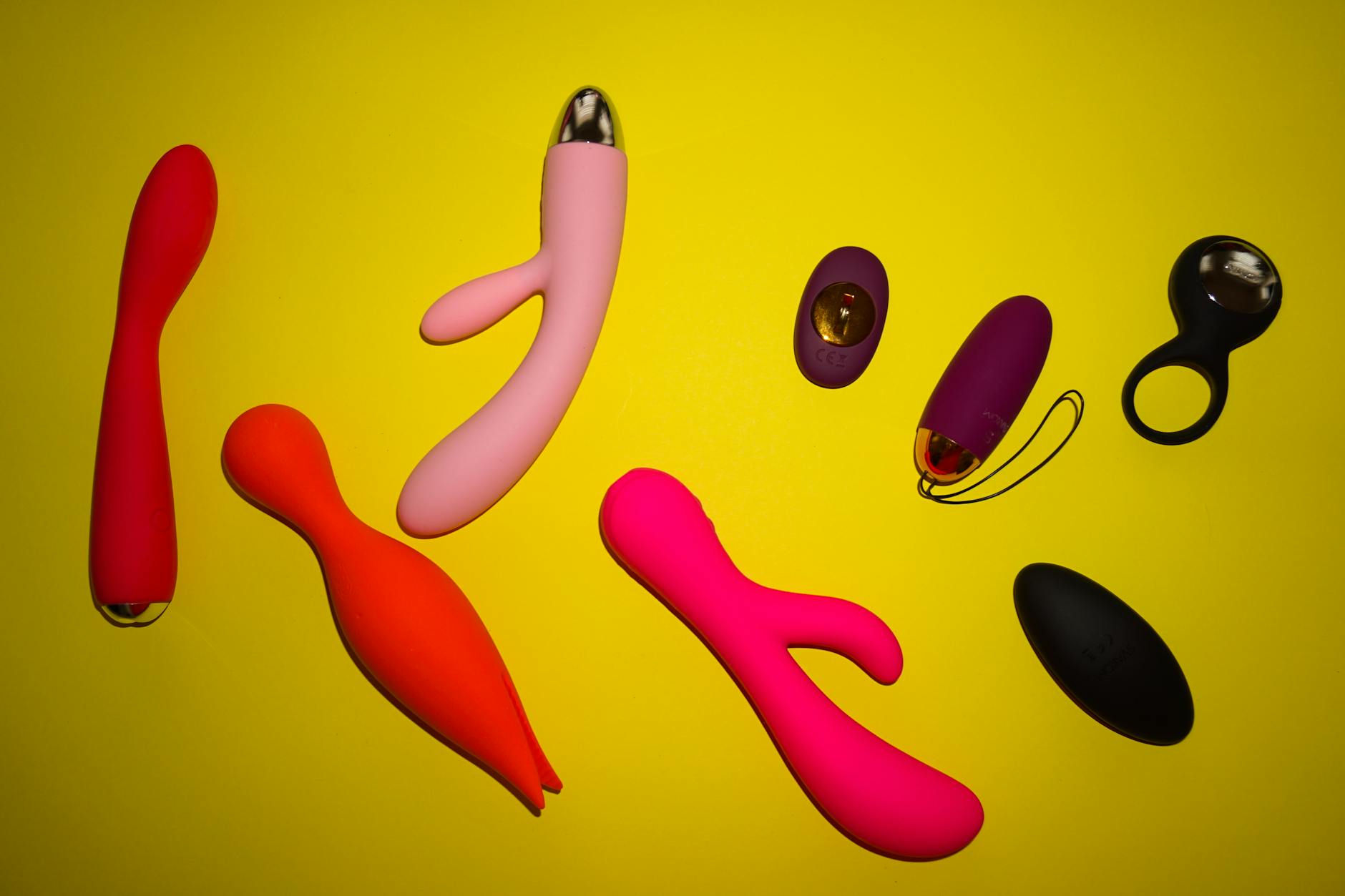
Photo by DRT.fm on Pexels
People also ask
How long after pregnancy loss can I safely use a lemon vibrator or clitoral vibrator?
There's no absolute rule, but most doctors suggest waiting until bleeding has stopped completely and any medical complications have cleared, usually one to two weeks post-loss. Emotionally, you might not feel ready for much longer. That's okay. When you do try, start low and slow. Your tissues are sensitive, and your nervous system is recalibrating. A lemon clitoral vibrator at the lowest pattern setting is a good re-entry point. If anything feels painful, stop and check with your doctor.
Can grief actually prevent orgasm?
Absolutely. Your brain and your body are connected. When you're grieving, your nervous system is often in a protective state. It can be hard to relax into pleasure when part of you is still in crisis mode. Some people find they can become aroused but can't climax. Others find they can't become aroused at all. Both are grief responses, not signs of permanent dysfunction. As your nervous system learns it's safe again, this typically shifts.
Is it normal to feel numb when using a vibrator after loss?
Yes, and it's one of the most common experiences. Numbness can be both a neurological response (hormones affecting sensation) and a psychological one (your mind protecting you). If you're using a lemon vibrator and feeling nothing, that's not a broken device and it's not you being broken either. It's your body in transition. Some people find that over a few weeks, sensation gradually returns. Others find that starting very slow, with low intensity and plenty of lubrication, helps sensation register earlier.
Should I tell my partner that pleasure feels different after loss?
Yes, ideally. Keeping it silent often leads to misunderstanding. Your partner might think you're not attracted to them, or that you're losing interest in intimacy. But what's actually happening is your nervous system is recalibrating. A simple conversation, "My body feels different right now. I want us to go slow," opens the door instead of closing it. If you don't have language yet, you don't have to have it perfect. "I'm not ready to talk about this" is honest too.
Can I use a lemon vibrator while I'm still grieving, or does it feel disrespectful?
Grief and pleasure can coexist. There's no expiration date on mourning, and choosing to reconnect with your body isn't betrayal. Some people feel conflicted about it, and that's worth exploring with a therapist. But the idea that you have to choose between honoring your loss and reclaiming your body is a false choice. Pleasure can be part of healing. It can be gentle, slow, and tender. It can be an act of self-compassion in a time when your body needs it most.
What if my partner wants to be intimate but I don't feel ready?
That mismatch is common after loss, and it's worth talking about directly. Your partner might be seeking connection and reassurance. You might still be in survival mode. Both are valid. Try something like: "I'm not ready for penetrative sex yet, but I'd like to feel close to you." That might mean holding each other, non-sexual touch, or using a device like a lemon clitoral vibrator together without the pressure of performance. Some couples find that reconnecting with pleasure slowly, together, actually deepens their intimacy after loss.
Moving forward
After pregnancy loss, your body and mind need time and compassion. Pleasure isn't the priority, but it's also not off-limits. When you're ready to explore it again, start gently. Use tools like a lemon vibrator at low settings. Talk to your partner or a therapist about what you're experiencing. And if you're struggling with grief, numbness, or feeling disconnected from your body, reach out for professional support. You deserve to feel whole again.
If you have questions about how to move forward after loss, or if you want to talk through what you're experiencing, reach out to us. We're here to listen.
Resources
For support after pregnancy loss:
- RESOLVE: The National Infertility Association (resolve.org)
- First Candle: Supporting families after loss (firstcandle.org)
- Pregnancy Loss Support (pregnancylosssupport.org)
- American Psychological Association: Finding a therapist (locator.apa.org)