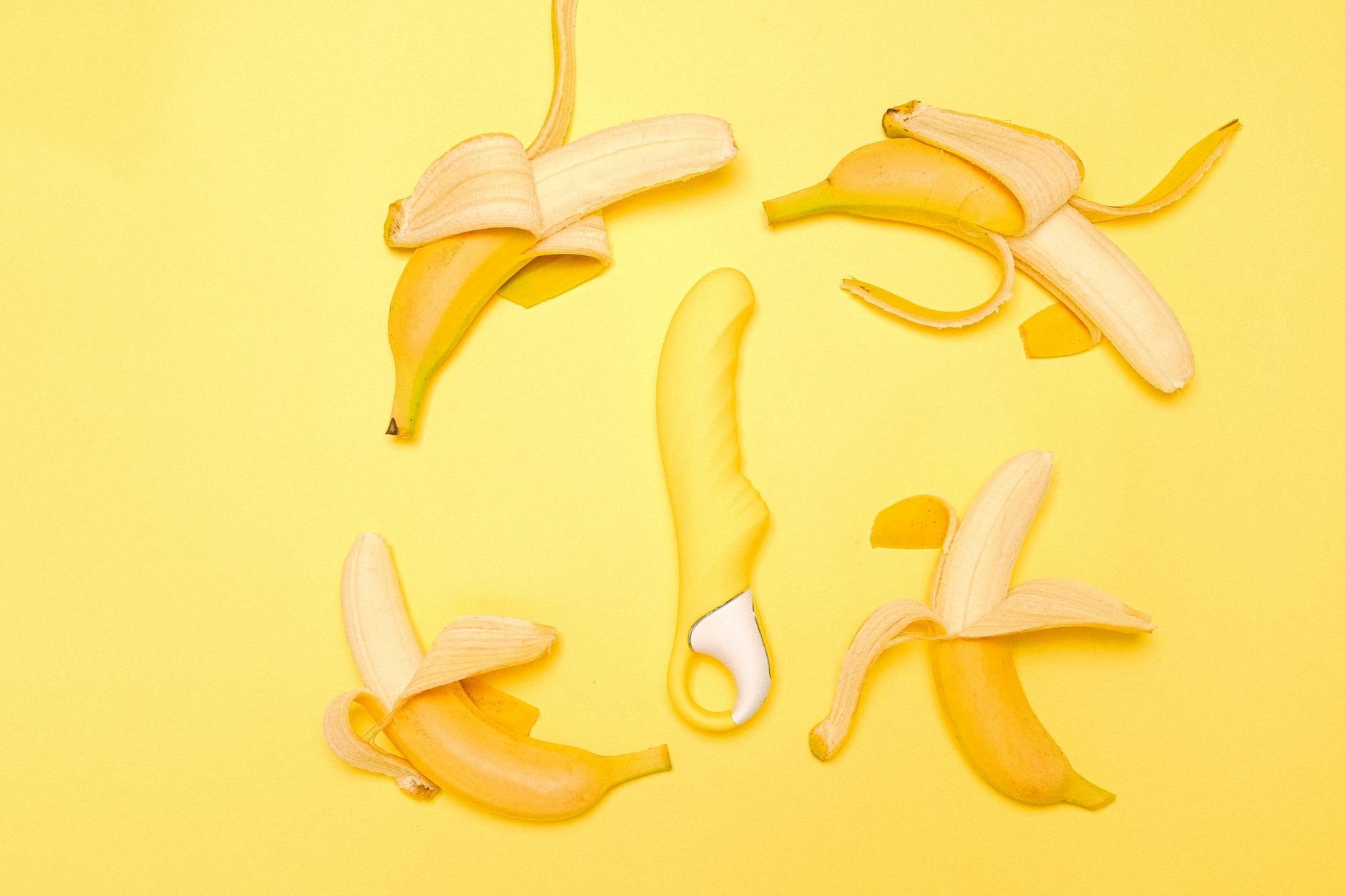
Let's talk about what's actually happening
Perimenopause is the decade before menopause when your hormones are still deciding what they want to be. Estrogen swings up and down unpredictably. Progesterone starts its slow decline. And yes, your sensitivity to pleasure changes in ways that might surprise you. If you've been using lemon vibrators or other clitoral vibrators and suddenly they feel off, you're not imagining it.
The good news: it's not permanent, and it's absolutely manageable once you understand what's shifting.
How perimenopause changes tissue and sensation
Estrogen doesn't just affect your mood or your period. It's doing real work on the tissue of your vulva and clitoris. During perimenopause, estrogen fluctuates wildly, which means sometimes your tissue is plump and responsive, and sometimes it's thinner and needs more time to wake up.
Here's what I see most often in my practice. Women in their early 40s start noticing that their favorite lemon vibrator or clitoral sucker feels either too intense or not intense enough. The intensity threshold shifts month to month because estrogen is unstable. One week pattern 3 on your Lem feels perfect. The next week it feels almost aggressive. This isn't a sign the toy is failing or that you're broken. It's perimenopause doing its job.
The clitoral nerve endings don't disappear, but the tissue surrounding them gets less support. This can make direct stimulation feel sharper or less pleasurable until arousal fully builds. Many people find they need longer warm-up time, which is exactly what happens during perimenopause.
Why arousal takes longer (and why that matters)
Progesterone doesn't get enough credit in these conversations. As it declines during perimenopause, it stops having that calming effect on your nervous system. You might feel more activated, more anxious, more distracted. That activation means it actually takes longer for your brain to downshift into arousal mode, which means your body follows later too.
When you're trying to use a lemon vibrator during this phase, you might find that jumping straight to your favorite pattern feels jarring instead of pleasurable. The tissue isn't ready. The nervous system isn't ready. You need a slower entry point.
This is why I recommend starting at pattern 1 or 2 and spending time there, even if you've always started at pattern 3. Your body isn't less capable of pleasure. It's just requiring a different pace. Respect that. Pleasure that builds slower often goes deeper.
The role of vaginal dryness and what actually helps
Drying tissue during perimenopause is real, but it's not inevitable. Estrogen drops unevenly during this decade, so some people experience it immediately, others not until later. When it does show up, it changes how clitoral vibrators feel because there's less natural lubrication to create that smooth gliding sensation.
Here's the part most people get wrong: you don't need to wait until sex is uncomfortable to start using lubricant. Honestly, using water-based lube during this phase changes everything. It's not because you need it for medical reasons. It's because lubrication makes stimulation feel richer and less like friction against sensitive tissue.
A good water-based lubricant lets you stay on your lemon vibrator longer without discomfort, which actually means better orgasms. More time exploring means more information for your nervous system. Longer exploration means deeper pleasure. The lube isn't a workaround. It's a tool that makes the tool work better.
Blood flow and what to expect with sensation
Estrogen also controls blood flow to your genitals. During perimenopause, as it fluctuates, your clitoral engorgement changes. Some days your clitoris plumps up quickly when you're aroused. Other days it takes longer. This affects how responsive it feels to a lemon clitoral vibrator.
On low-estrogen days, you might think your clitoral vibrator is less effective. You're actually just working with tissue that has less blood supply, which means less nerve sensitivity. The solution isn't a stronger toy. It's more foreplay, more time, more attention to what's working that specific day.
This is why having a range of patterns on your lemon vibrator or trying different types of clitoral vibrators matters during perimenopause. The Lem's suction mode works beautifully for this phase because it stimulates nerves without requiring the kind of intense friction that can feel uncomfortable on tissue with less blood flow. Suction draws blood to the area and feels gentler on sensitive tissue.
Hormonal fluctuation and the intensity problem
One week everything feels perfect. The next week your favorite lemon vibrator feels too strong. This isn't random. Your estrogen and progesterone are literally changing week to week during perimenopause. Each shift changes your pain threshold, your sensitivity, your nervous system activation.
What I tell clients is this: during perimenopause, your body isn't less sensitive. It's differently sensitive. Some stimulation that felt gentle before now feels intense. Some that felt perfect now needs more intensity to register. This is maddening and also completely temporary in any given cycle.
The fix is flexibility. Instead of assuming your lemon vibrator or other clitoral vibrators have stopped working, try a lower pattern. Spend longer getting aroused. Add more foreplay before introducing the toy. Check in with your body about what it actually wants today instead of what it wanted last month.
When to see someone and when to just adjust
If you're experiencing pain with any toy, that's a signal to talk to a doctor. Sharp pain isn't about adjustment. It's about tissue health. A menopause-trained gynecologist can run a quick test and often recommend a topical estrogen cream that helps tremendously.
If your clitoral sensitivity has genuinely decreased and isn't rebounding, that's also worth mentioning. It could point to other things going on. But if what's changed is the speed of arousal or the intensity threshold, that's textbook perimenopause, and you can work with it.
What actually works during this phase
Four things shift your experience with lemon vibrators and clitoral vibrators during perimenopause.
First, invest in a good water-based lubricant. Seriously. It's not optional. It makes every stimulation feel better. Second, be willing to slow down your usual approach. If you typically jump into pattern 4, start at pattern 2. Give yourself 10 to 15 minutes of warm-up before introducing your lemon vibrator. Third, pay attention to where you are in your cycle. Perimenopause cycles get weird, but if you track even loosely, you'll notice which times feel more sensitive and adjust your expectations accordingly. Fourth, if suction-based clitoral vibrators like the Lem feel better to you than traditional vibrators, lean into that. Suction works with your tissue instead of against it.
The mental piece nobody talks about
Perimenopause also brings real stuff emotionally. You might be grieving the loss of reliable, predictable pleasure. You might be frustrated that your body is changing. You might feel less sexual because you're exhausted or anxious. Those feelings are valid and real, and they absolutely affect how lemon vibrators feel to you.
If you're with a partner during this phase, having the conversation about what's shifting helps. Your partner isn't failing you. Your body isn't failing. Perimenopause is just rewriting the instructions temporarily. And honestly? Many people find that working through this phase with curiosity instead of frustration creates deeper, more intentional pleasure on the other side.
The thing I want you to know
Perimenopause doesn't mean your days of good orgasms are ending. It means your body is asking for a different approach for a little while. Your clitoral vibrators still work. You still have nerve endings. You still deserve pleasure. It might just take a different path to get there. And often, that path is richer than the one you were on before.
People also ask
Does perimenopause permanently change how toys feel?
No. Perimenopause is temporary. Once you reach menopause and your hormones stabilize (usually within a year or so), the way your body responds will settle into a new normal. That new normal often feels really good once you adjust to it. Some people find their orgasms actually become more intense post-menopause. During perimenopause, you're in transition, so things feel inconsistent. That inconsistency goes away.
Should I switch to a different lemon vibrator during perimenopause?
Maybe, but not necessarily. Before you upgrade, try adjusting how you use what you have. Lower patterns, more lube, longer foreplay. If after a month of adjusted approach you still feel like it's not working, then exploring options makes sense. But most people just need to meet their body where it is instead of expecting it to work like it used to.
Can I use my favorite lemon clitoral vibrator if penetration feels uncomfortable?
Yes, absolutely. Perimenopause affects tissue differently depending on where you're stimulating. Your clitoris might feel fine while your vagina feels sensitive. External stimulation with a lemon vibrator can be really satisfying during this phase because you're not dealing with internal tissue sensitivity. If anything, how lemon vibrators help when you have vaginismus or pelvic floor tension is relevant here.
How long does this phase last?
Perimenopause typically lasts 8 to 10 years, but the most dramatic hormonal swings usually happen in the last 2 to 3 years before your final period. Some women feel major shifts in sensation throughout the whole phase. Others notice it most toward the end. There's no universal timeline, which is frustrating but also means you might adapt sooner than you think.
Is it normal to have no sensation in my clitoris during perimenopause?
Complete numbness is unusual and worth mentioning to a doctor. Reduced sensation or sensation that changes week to week is normal. If you've genuinely lost feeling, there could be other things going on. Blood pressure changes, nerve issues, or other medications can all affect clitoral sensation during this phase. Worth a conversation with someone who understands perimenopause.
What if my partner thinks the changes mean I'm not attracted to them anymore?
This is the conversation that needs to happen. Your changing response to stimulation has nothing to do with attraction. How lemon vibrators help when you're dealing with slow arousal covers some of this, but the bigger point is that perimenopause is a physiological shift, not an emotional one. If your partner understands that your body is going through a phase, not checking out, it changes everything.
Here's the bottom line
Perimenopause changes how lemon vibrators and clitoral vibrators feel because it changes your tissue, your blood flow, your nervous system activation, and your arousal timing. That's not a failure of the toy or your body. It's biology in motion. The good news is that understanding what's shifting means you can adjust. Lube helps. Patience helps. Flexibility helps. And most importantly, your capacity for pleasure is still absolutely there. You're just meeting it from a different angle for a while.