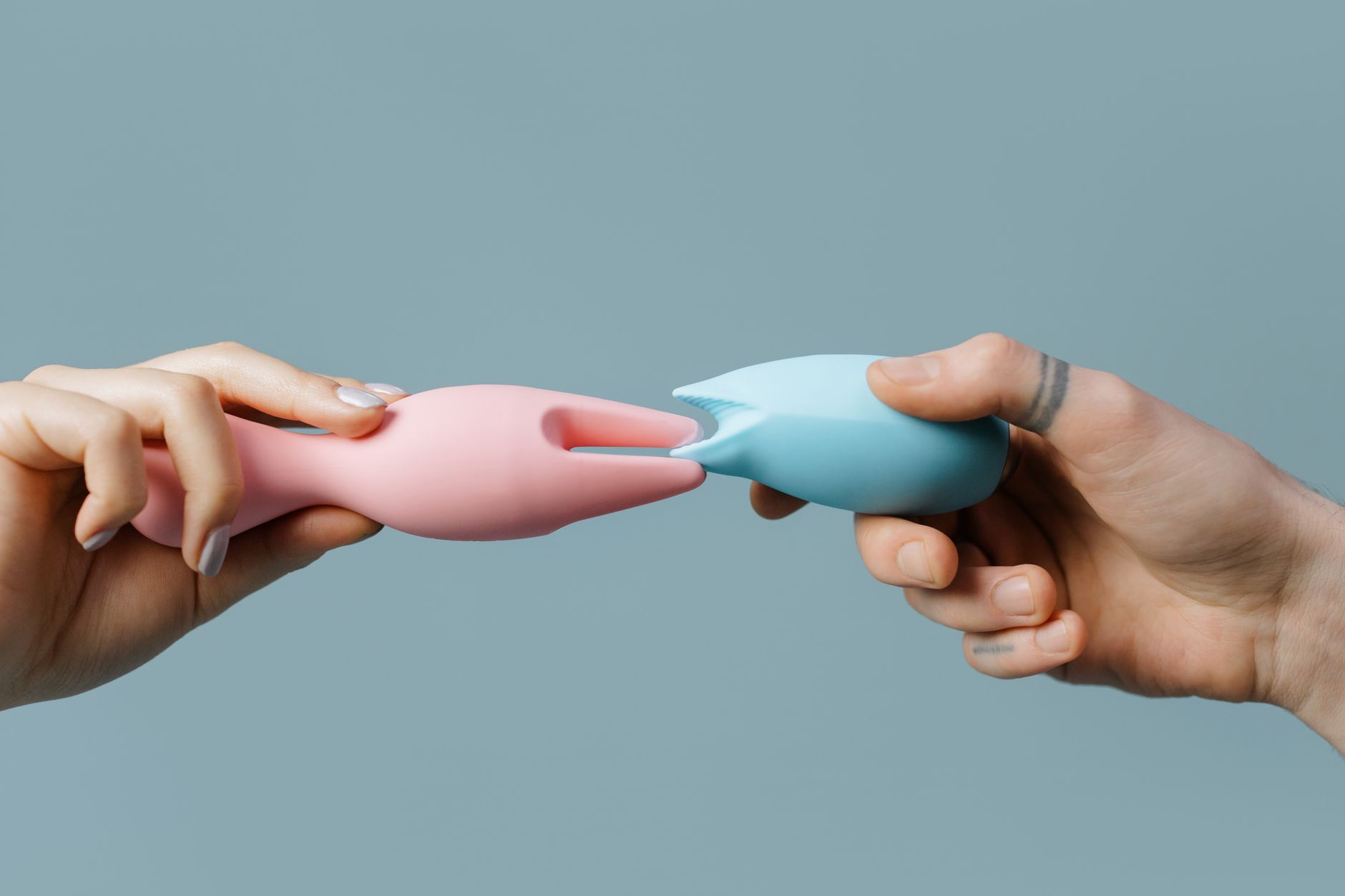
Let's be real about antidepressants and sex
Antidepressants save lives. They also change how your body responds to touch, arousal, and orgasm. These two facts don't contradict each other. But most people taking SSRIs or other mood stabilizers get no explanation about the sexual side effects, which means they blame themselves instead of the medication.
Here's what actually happens neurologically, why lemon vibrators and other clitoral vibrators feel different when you're on antidepressants, and what you can do about it.
How antidepressants affect arousal at the brain level
SSRIs (selective serotonin reuptake inhibitors) work by keeping serotonin in your synapses longer. That's great for mood regulation. It's less great for sexual function because serotonin actually suppresses dopamine and norepinephrine, the neurotransmitters that drive desire and sexual response.
Think of dopamine as the brain's "I want this" signal. Norepinephrine creates arousal and physical response. Higher serotonin, paradoxically, often means less dopamine availability. That's why some people on antidepressants report that sex feels possible but not compelling. You can engage, but the hunger is quieter.
Other antidepressants like bupropion (Wellbutrin) actually preserve dopamine, which is why many people find their sexual response stays intact on that medication. If you're on an SSRI and struggling, that's worth discussing with your prescriber. Sometimes switching helps.
The sensation side of things
Beyond neurotransmitters, SSRIs also affect sensation directly. Serotonin influences pain perception and sensory sensitivity. Some people report that stimulation feels muted or requires more intensity to register. Others say sensation is delayed. A few describe it as feeling "behind glass" during arousal.
This is why many people find lemon clitoral vibrators particularly useful when on antidepressants. The sustained pressure and suction pattern of a lemon vibrator doesn't depend on you feeling a cascade of sensation to work. It works through sustained stimulation rather than relying on your nervous system to amplify every micro-sensation.
In other words, a clitoral vibrator that uses suction or sustained pulsing is often more effective than traditional vibration when your baseline sensitivity has shifted.
Why orgasm feels different (or harder to reach)
Orgasm involves a specific sequence of neural events. Arousal builds, blood vessels dilate, muscle tension increases, then releases. SSRIs can interrupt any part of this chain. The most common complaint is anorgasmia (inability to orgasm) or delayed orgasm, where you can get close but the finish line keeps moving.
This happens because SSRIs dampen the autonomic nervous system activation needed for climax. You're not broken. Your nervous system is just operating differently. Some people find they can still orgasm with lemon vibrators and other toys, but it takes longer. Others notice they can reach a plateau but the final release is elusive.
The good news: this often improves over time as your body adjusts, usually within 3-6 months. It's not permanent, even though it feels that way early on.
The emotional weight of medication-related changes
Here's what I see in my practice most often: someone starts an antidepressant, their mood stabilizes, which is wonderful. Then they notice sex feels different. They assume this means their depression has returned or they're fundamentally broken. They don't connect it to the medication because nobody explained it would happen.
Then shame settles in. If they have a partner, they might avoid intimacy rather than explain what's happening. The partner interprets avoidance as rejection. Resentment builds silently.
This is preventable with honest conversation. When you start an antidepressant, your prescriber should tell you: "Some people notice changes in arousal or orgasm. That's neurochemistry, not a reflection on your desire or capacity. If it happens, come back and we can talk about timing, dose, or alternatives."
Many don't. So you need to know: what you're experiencing is common, documented, and manageable.
What actually helps
Three practical strategies work well for most people:
First: Timing and planning. Rather than expecting spontaneous arousal, many people on SSRIs find success with intentional, scheduled intimacy. You build anticipation, wear something that makes you feel good, set aside time without pressure. This feels unromantic at first. In practice, it often deepens connection because you're being deliberate rather than expecting magic to happen.
Second: Extend warm-up. If arousal takes longer, don't fight it. Plan for 20-30 minutes of foreplay or solo exploration before any attempt at orgasm. This isn't a downgrade. Most people who shift to longer warm-up periods find their sex life improves even after they stop the medication.
Third: Invest in the right tools. Lemon vibrators and other lemon sexual toys designed for sustained stimulation (like air-suction devices) often work better than traditional vibrators when sensation is muted. They don't require you to feel subtle changes in vibration frequency. They work through consistent pressure.
Many of my clients on SSRIs have found that a lemon clitoral vibrator specifically helps because it doesn't rely on extreme intensity to be effective. It's engineered for sustained response rather than quick trigger points.
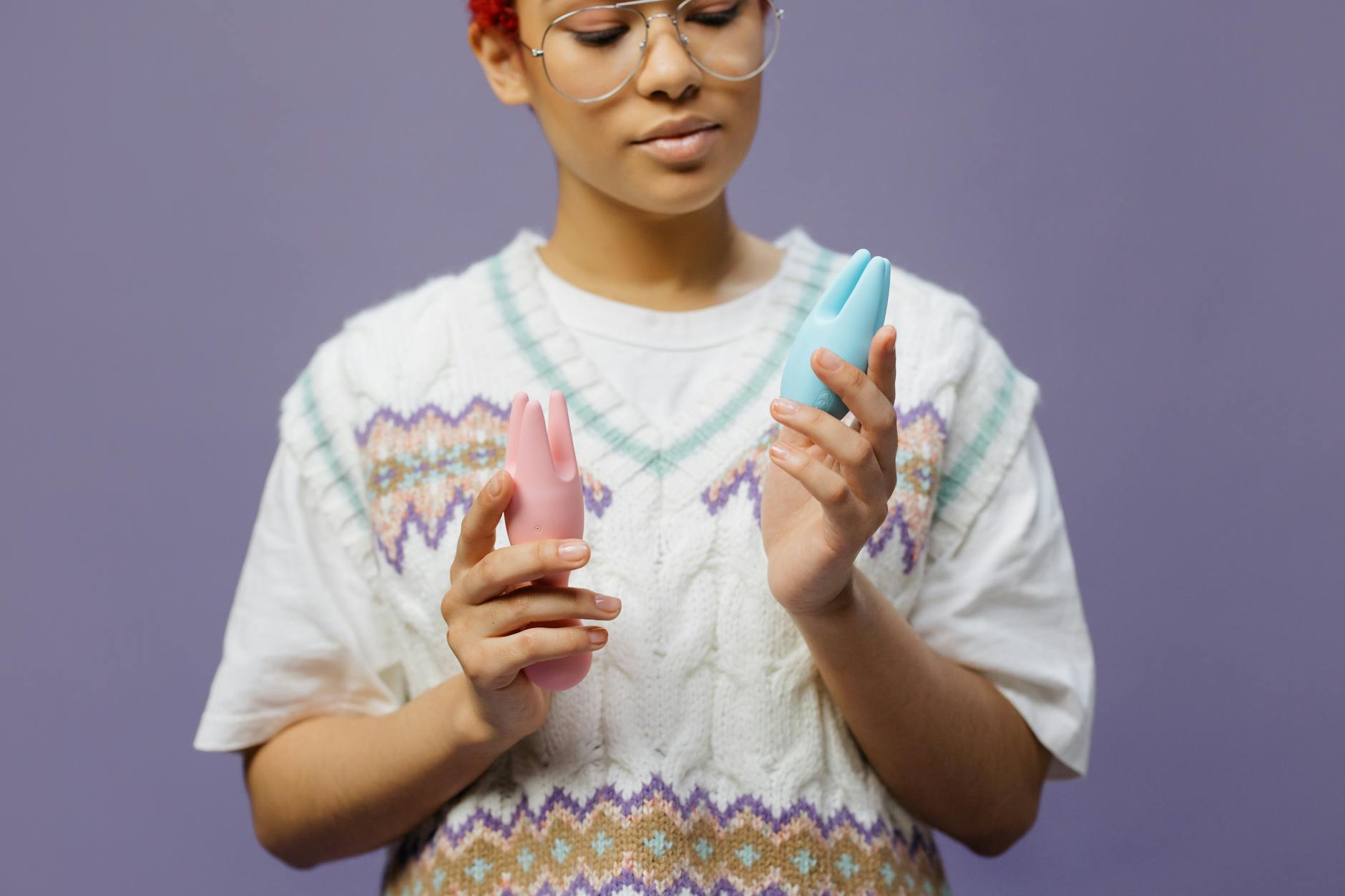
Photo by cottonbro studio on Pexels
Talking to your prescriber about sexual side effects
Many people suffer in silence because they feel awkward bringing this up. Your prescriber has heard this hundreds of times. Mention it. Here are the options they might discuss:
Timing shifts. Some SSRIs cause fewer sexual side effects if taken at night versus morning, or vice versa. Simple change, sometimes massive difference.
Dose reduction. If your mood is stable, sometimes lowering the dose preserves mood benefit while reducing sexual side effects.
Medication swaps. Bupropion or mirtazapine sometimes work well for mood with fewer sexual side effects.
Additive medications. Some prescribers add low-dose buspirone or other agents that can counteract SSRI sexual dysfunction. This requires careful management but works for some people.
Wait it out. Sexual side effects often improve after the first few months as your body acclimates. If you're only a few weeks in, this might resolve on its own.
None of these options are guaranteed. But they exist, and your prescriber can help you explore them.
When to consider professional support
If sexual dysfunction is affecting your relationship significantly, a sex-positive therapist or relationship counselor can help both you and your partner navigate the adjustment. This isn't about fixing you. It's about building tools to maintain intimacy when your body's baseline has shifted.
A good therapist can also help distinguish between medication side effects and relationship issues that might be masquerading as sexual problems. Sometimes the medication shift is real and manageable. Sometimes it's triggering awareness of deeper disconnection. Both need addressing, but differently.
The bigger picture
Antidepressants are not the enemy of pleasure. They're often the opposite. Many people find that once their mood stabilizes and anxiety drops, they can actually access pleasure more fully, even if the mechanics feel different.
You don't lose the ability to feel good. You sometimes have to recalibrate what good feels like, and that recalibration period is real and worth taking seriously. Lemon vibrators, longer foreplay, and honest conversation with your partner and prescriber are not workarounds. They're part of building a sustainable sex life that works for your actual neurochemistry, not some imagined ideal.
Your pleasure matters. The medication that keeps you alive and well matters too. Both things are true at once.
Frequently asked questions
Can I stop my antidepressant to fix sexual side effects?
Not without talking to your prescriber first. Stopping suddenly can cause serious withdrawal symptoms and mood destabilization. If sexual side effects are severe enough that you're considering stopping, that's exactly the conversation to have with your doctor. There are options. Going off medication on your own isn't one of them.
How long do sexual side effects usually last?
Most people see improvement within 3-6 months as their body adjusts. Some notice changes within weeks. A smaller percentage experience persistent effects for as long as they take the medication. This is why timing, communication, and exploring tools like lemon vibrators matters. You're building a sex life that works now, not waiting for something to change.
Do all antidepressants cause sexual side effects?
No. SSRIs and SNRIs tend to have more sexual side effects than bupropion or mirtazapine. Tricyclic antidepressants vary. Your prescriber can discuss which medication might work for your particular situation. The goal is managing mood without sacrificing your sexual health, and sometimes that requires trying a different medication.
Will using vibrators like lemon clitoral vibrators change my ability to orgasm without them?
There's no evidence that using a vibrator reduces your ability to orgasm without one. Some people find vibrators help them experience orgasm while on medication, which actually maintains their capacity rather than creating dependence. That said, your body learns what works. If a vibrator is consistently the only way you orgasm, shifting back to manual stimulation might feel less effective for a while. This is normal and reversible.
Is it normal for sexual pleasure to take lower priority when I'm on antidepressants?
Completely normal. Medication is helping your brain prioritize emotional stability and anxiety reduction. Sexual drive is neurologically linked to dopamine, which SSRIs can lower. This isn't laziness or loss of attraction. It's neurochemistry. Scheduling intimacy, using lemon sexual toys, and staying connected to your partner helps bridge that gap without judgment.
Should I tell my partner about medication side effects?
Yes. If you're in a partnered relationship, silence creates misinterpretation. Your partner might think you're losing interest in them rather than understanding you're adjusting to medication. A simple conversation can prevent months of unnecessary resentment. Something like: "My medication is helping my anxiety, and it's also changed how I experience arousal. I'm still attracted to you. My body is just responding differently right now. Let's figure this out together."
Take action
If you're on an antidepressant and noticing changes in arousal or orgasm, start here. Talk to your prescriber. Explore what timing, approach, and tools work for your actual body right now. That might mean lemon vibrators, extended foreplay, or medication adjustments. All of those are valid.
Your pleasure and your mental health both deserve attention. They're not in competition. They're both part of living fully.
Have questions or want to talk through what's working for you? Reach out to us.