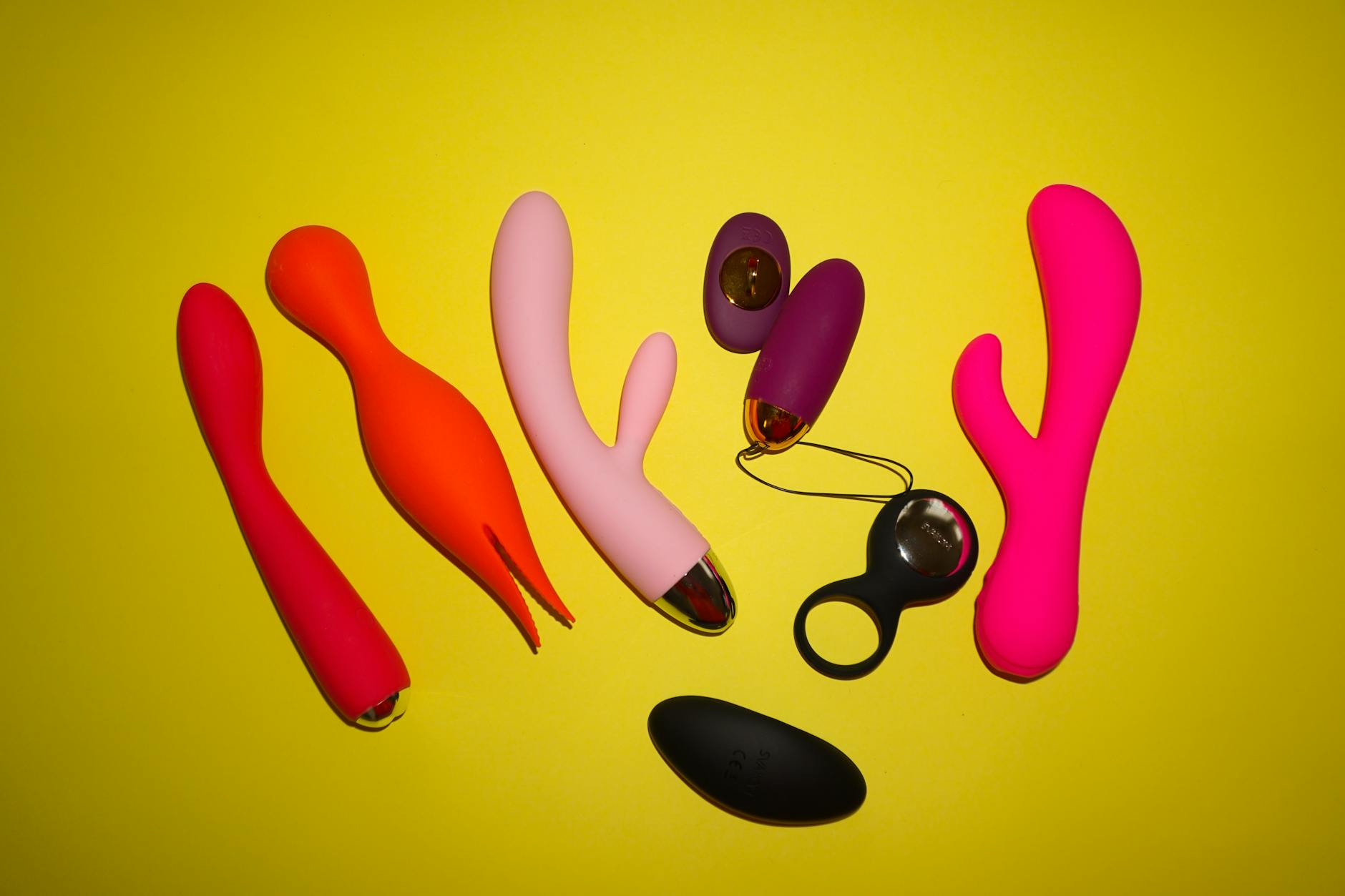
Why Lemon Vibrators Take Longer to Feel Amazing After Major Life Stress
Your body isn't broken. Stress genuinely dampens sensation and arousal. Here's why that happens, and how lemon clitoral vibrators can help you reclaim pleasure again.
You're not imagining it. After a rough few months, pleasure feels distant. Even with tools that used to work instantly, like a lemon vibrator, arousal takes forever to build. Your body feels less responsive. Orgasms, when they happen, feel muted or hard to reach.
This isn't a sign that something's wrong with you or that your body is permanently damaged. It's textbook neurobiology. Chronic stress reshapes how your nervous system processes sensation.
When you're living under sustained pressure, your sympathetic nervous system stays partially activated. That's the "fight or flight" mode. Your body is primed to notice threats, not pleasure.
Here's the chain reaction: stress hormones like cortisol and adrenaline flood your bloodstream. They narrow blood vessel diameter, which means less blood flow to sensitive tissues. Your pelvic floor tightens defensively. Your brain's reward centers become less responsive to stimulation. Dopamine, the neurotransmitter that fuels desire and arousal, dips. And your prefrontal cortex, which processes pleasure and intimacy, gets sidelined while your amygdala (the alarm bell) stays hypervigilant.
The result? Even significant sensation doesn't register the same way. A lemon clitoral vibrator that once felt incredible now feels like a gentle buzz you're not quite sure you're feeling.
This is the part that matters: your capacity for pleasure hasn't vanished. It's just muffled.
Lemon vibrators, especially models with suction or pulsing patterns, work by stimulating nerve clusters directly. That stimulation doesn't depend on your emotional state the way desire does. A clitoral vibrator creates a physical sensation that your nervous system registers regardless of what your stress level is doing. It's not a cure for stress, but it's a bridge back to sensation.
The key difference during high-stress periods: you need to approach the vibrator differently. Not harder or longer, but with more patience and permission.
Start with lower intensity and longer ramp-up. If your Lem usually feels perfect on setting three, try one or two and let yourself spend 20-30 minutes exploring. Slow arousal isn't a problem right now. It's expected. Work with it.
Use the vibrator in a low-pressure context. Not as a performance metric, not as "I need to come to feel normal," but as a somatic reset. Some days the goal is just to notice sensation again. That counts.
Pair it with body-based calming. Before you engage with a lemon vibrator, spend five minutes on something that tells your nervous system you're safe. A warm bath. Deep breathing. Gentle stretching. This isn't woo. It's parasympathetic activation. You're literally downregulating the stress response so arousal has room to exist.
Be honest about what you're feeling. Numbness during stress is not the same as low libido or anhedonia, though it can feel similar. If you notice you're numb across the board, not just sexually, that's worth checking in with a doctor about. But if sensation is flat only in this area, and your life circumstances are legitimately stressful, this is a normal response.
Stress doesn't release on a timeline. You can't set a date for "feeling better again."
But you can track return of sensation. Most people notice that after the acute stressor starts to ease (the project ends, the difficult family season passes, the health crisis stabilizes), pleasure sensitivity returns within 2-4 weeks. Not overnight. But noticeably.
During those weeks, consistency matters more than intensity. Five minutes with a lemon vibrator three times a week is more useful than a frustrated 45-minute attempt once. You're training your nervous system to remember that pleasure is possible.
If you share a bed with someone, they've probably noticed the shift too. The most useful thing you can do is name it: "My body is processing a lot right now, so arousal is slower. That's not about you or us. I'm rebuilding this."
Then set realistic expectations together. If you used to have sex twice a week and now you need two weeks to feel ready, say that. If you want to use a lemon clitoral vibrator during partnered time, say that too. Partners who understand the physiology of stress are partners who can actually help instead of adding pressure.
This matters. Stress flattens arousal temporarily. Clinical depression flattens everything, including the will to try.
If you notice that you've lost interest in things you usually enjoy beyond sex, if your sleep and appetite have shifted, if you're struggling with energy or motivation across multiple areas of life, reach out to a therapist or your doctor. That's a different conversation than "I'm stressed and sensation is quieter right now."
One is a normal physiological response to difficult circumstances. The other is a mental health concern that deserves professional support.
You'll notice small signals. A moment of genuine desire that surprises you. A vibration from a lemon vibrator that feels like it used to. Spontaneous arousal. A flash of that anticipatory feeling before sex.
These aren't huge moments. But they're evidence that the arousal system is coming back online. Celebrate them. Don't perform based on them, but notice them. This is your nervous system saying, "We're remembering how to feel this again."
If six to eight weeks have passed since the acute stress has eased, and you're still feeling completely flat, that's worth investigating. Sometimes prolonged stress triggers a pattern that doesn't self-correct. Trauma also dampens arousal in ways that look similar to stress but need different support.
A therapist specializing in somatic work, or a sex-informed counselor, can help you figure out what's actually happening. Sometimes it's nervous system recalibration. Sometimes it's something deeper that deserves attention.
Right now, if you're in a high-stress season, give yourself permission to approach pleasure differently. The lemon vibrators that worked before will work again. Your body hasn't forgotten how to feel good. It's just temporarily prioritizing survival over sensation. That's not broken. That's adaptive.
Be patient. Use the tools that work without judgment about speed. Notice the small returns of desire and sensation. And know that this particular chapter doesn't last forever. Your nervous system is built to recalibrate. You just have to give it time and a little bit of consistent, low-pressure space to do that work.
Yes. Stress narrows blood vessel diameter, dampens dopamine response, and keeps your nervous system in partial fight-or-flight mode. All of this literally reduces how much sensation registers. Your nervous system is treating arousal as a low priority. That's not the toy not working. That's your body temporarily deprioritizing pleasure.
Once the acute stressor eases, most people notice gradual return of sensation within 2-4 weeks. But it's not linear. Some days will feel more responsive than others. Consistency with tools like a lemon vibrator, paired with actual stress reduction, helps speed the process. If numbness persists beyond eight weeks after the stressor has genuinely passed, that's worth professional evaluation.
Yes, but reframe what you're doing. You're not trying to achieve a specific outcome. You're gently reminding your nervous system that sensation is still possible. Short, low-pressure sessions with lemon adult toys during high-stress periods are about resetting your body's responsiveness, not about performance. That distinction changes everything.
No. Low libido is an overall lack of desire. Stress-related numbness is more physical. Your desire might be there intellectually. Your body just isn't registering arousal the same way. They can look similar, which is why it helps to track whether other parts of your life feel flat too. If only sexual sensation is quieter, it's probably stress. If everything feels dampened, that's different.
Partially. A supportive partner who understands that this is stress-related and temporary can reduce anxiety, which actually helps. But they can't force your nervous system to recalibrate. What they can do is be patient, avoid pressuring performance, and maybe use this as an opportunity to explore intimacy that isn't goal-oriented. Sometimes that shift in framing helps pleasure find its way back faster.
This is a layered question. SSRIs and other antidepressants can dampen sensation and arousal on their own. Add sustained stress, and the effect compounds. If you're on medication and also living through a difficult season, that's worth discussing with both your prescriber and a therapist. Sometimes a small adjustment helps. Sometimes the answer is more patience as your body adjusts. Either way, you deserve support that accounts for both factors.