Let's start with what's actually happening
SSRIs (selective serotonin reuptake inhibitors) work by keeping serotonin circulating longer in your brain. That's good for mood stability. It's also the reason your body takes longer to register pleasure signals. This is not a defect. It's how the medication does its job.
Here's the part nobody explains clearly: sensation delay and arousal delay are not the same thing, and fixing one doesn't automatically fix the other.
How antidepressants change the pleasure pathway
Your brain perceives stimulation through a chain of events. A touch triggers a nerve impulse. That impulse travels to your spinal cord and brain. Your brain releases dopamine and serotonin. Those chemicals signal back down to your genitals that yes, this is good, keep going. The cycle builds.
SSRIs slow this loop down by about 40 to 60 percent in most people. Your clitoris is still as sensitive as it ever was. The neural pathways are still intact. The brain's reward centers still work. But the conversation between them moves at a different speed.
This is why people on antidepressants often report that they need longer to warm up, that sensation feels muted at first, and that orgasms take significantly longer to build. It's not dysfunction. It's a shift in your nervous system's operating speed.
Why lemon clitoral vibrators feel different on antidepressants
A lemon vibrator works by creating rapid micro-movements against the clitoral tissue. Most vibrators aim for intensity and speed. On an SSRI, speed alone doesn't work the way it does for someone not taking the medication.
Here's why: your nervous system needs sustained stimulation to build arousal when you're on an antidepressant. A vibrator that pulses at high frequency might actually feel overwhelming or numbing because your body can't process those signals fast enough. You end up in a weird middle space where the stimulation is happening but your brain isn't catching up.
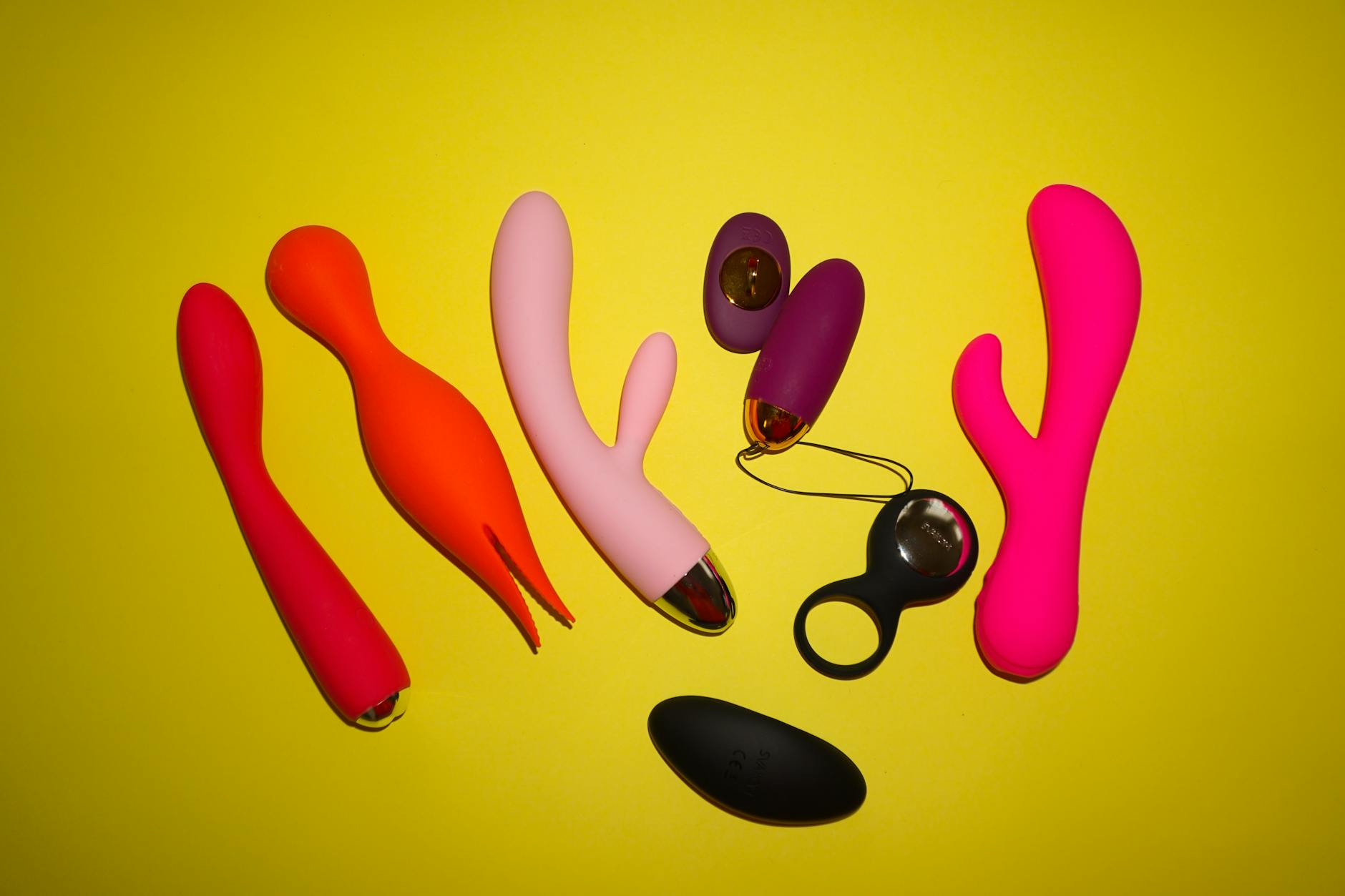
Lemon sexual toys and clitoral vibrators from Hallo Nancy's Lemons are designed with patterns that allow for variable speed and intensity. This matters on antidepressants because you need the option to start slower, build gradually, and maintain a pace your nervous system can actually follow.
The timeline is different and that's okay
Someone not on antidepressants might reach peak arousal in 10 to 15 minutes. On an SSRI, that same person might need 30 to 45 minutes. Or longer. This is not laziness or loss of capacity. It's the actual pharmacology of your medication.
What changes with a lemon sucker or lem vibrator is that you're not fighting against your body's pace anymore. Instead of expecting a fast build and feeling frustrated when it doesn't happen, you're working with the timeline your medication creates.
Start your session with the understanding that you have more time than you think. Budget an extra 20 to 30 minutes just for exploration. Use a lemon clitoral vibrator at lower intensity settings (patterns 1 through 3) and stay there longer than feels natural. Let your nervous system catch up.
The second half of the equation: orgasm changes
Delay in arousal is one thing. Delay or difficulty in reaching orgasm is another. Roughly 30 to 40 percent of people on SSRIs experience delayed or absent orgasms. This is more common with higher doses and certain medication combinations.
If you're in this group, a few things help. First, understand that your baseline for orgasm has shifted. The cues your body used to rely on might not trigger release anymore. You're not broken. You're recalibrating.
This is where lemon adult toys specifically designed for sustained stimulation make a difference. Instead of chasing intensity, you're aiming for consistency. The lem vibrator or other lemon clitoral vibrators let you stay in the zone longer without fatigue. Many of my clients report that orgasms eventually come, but they feel different. Sometimes shallower, sometimes more diffuse. Sometimes stronger than before, just delayed.
Medication timing and pleasure timing
Most SSRIs reach peak concentration in your bloodstream 4 to 6 hours after you take them. This is useful information. If you take your medication in the morning, afternoon is typically when the effect is strongest. If you take it at night, morning is often when your system has the most flexibility.
There's no magic hour for sex, but understanding your medication's timing helps you notice patterns. Some people find their libido highest just before their next dose, when the medication level dips slightly. Others feel best mid-afternoon. Keep a mental note. Use that window when you're in the mood.
When to consider a dose or medication adjustment
If the timeline shift is mild and orgasm still happens, you're likely fine staying the course. But if arousal has virtually disappeared or orgasms have stopped entirely, talk to your prescriber. This is one of the few SSRI side effects where adjustment often helps.
Common options: lowering your dose slightly, adding a secondary medication that counteracts sexual side effects (like bupropion), switching to a different SSRI that's less associated with sexual dysfunction (paroxetine tends to be worse than sertraline, for example), or timing your dose differently (taking it after sex rather than before).
This conversation is worth having. Sexual pleasure matters. It's not a luxury feature of being alive. It's connected to overall wellbeing, relationship satisfaction, and self-image. If your medication is making it significantly harder to access, your doctor should know.
Working with a partner through this shift
If you're partnered, the delay in your arousal often becomes your partner's problem too. They might feel rejected if sex takes longer to build. They might interpret your slower response as lower desire for them specifically.
It's worth naming this out loud early. "My medication changes how quickly I warm up. This doesn't mean I want you less. It means my nervous system works at a different speed right now." Then show them what helps. If using a lemon vibrator with them present makes you feel more relaxed and able to build arousal faster, that's information worth sharing.
Some couples find that adding a lemon clitoral vibrator to partnered sex actually rebuilds intimacy because there's less pressure on both sides. Your partner isn't responsible for creating all the sensation anymore. You're collaborating with a tool that meets your actual needs.
Solo play matters more, not less
One of the most underrated things you can do on antidepressants is maintain a regular solo pleasure practice. This serves two purposes. First, it keeps your nervous system oriented toward sensation. Second, it teaches you what timeline actually works for your body now.
When you explore alone with a lemon adult toy or lem vibrator, you remove the pressure to perform or reach climax on someone else's timeline. You can experiment with patterns, intensity levels, and duration without worrying about whether you're taking too long. You get to learn your own body's new operating system.
Many people on SSRIs report that solo play is where they rediscover pleasure, and then they bring that knowledge into partnered sex. You're not replacing partnership. You're troubleshooting your own arousal in a lower-pressure environment.
The patience piece
Honestly though, the hardest part of this isn't mechanical. It's emotional. Antidepressants save lives. They also change sex. Both things are true. The grief of that change is real and worth naming.
But here's what I've seen repeatedly: people adapt. Your nervous system is plastic. The delay you're experiencing now might shift in six months. Your body might find new ways to experience pleasure that don't require speed. You might discover that slower sex is actually better sex, that you're less in your head and more in your body, that you had more permission to take time than you ever did before.
Your medication isn't the enemy of your pleasure. It's a constraint you're learning to work within, like a dancer learning to work with an injury. The dance looks different. It might look better.
People also ask
Does everyone on SSRIs experience delayed orgasm or arousal?
No. About 30 to 40 percent of people on SSRIs report sexual side effects. That means 60 to 70 percent don't notice a significant change. If you're not experiencing delay, that's completely normal. If you are, you're not alone.
Can using a lemon vibrator actually speed up arousal if I'm on antidepressants?
No. A vibrator can't override your medication's effect on your nervous system. What it can do is reduce the friction between what your body needs (longer, sustained stimulation) and what you're getting. Basically, it lets you work with your timeline instead of against it. How to Use Lemon Vibrators When You're Dealing With Slow Arousal digs deeper into pacing.
Is the delay permanent, even if I stay on my medication long-term?
Not always. In the first few weeks on an SSRI, sexual side effects are typically strongest. Sometimes they ease after a few months as your body adjusts. For others, the delay remains consistent. It depends on the person, the dose, and the specific medication. If it doesn't improve after three months, that's when to talk to your doctor about adjustment.
Will switching off antidepressants bring my arousal back to baseline?
Often, yes. Sexual side effects usually reverse within a few weeks of stopping an SSRI. But stopping medication also has real risks, including relapse of depression or anxiety. This isn't a trade-off to make solo. Work with your prescriber if you're considering a change.
Does the type of lemon clitoral vibrator matter, or will any vibrator work?
It matters somewhat. Vibrators with variable speed and pattern options (like the lem vibrator from Hallo Nancy's Lemons) give you more flexibility to find what works for your specific nervous system. Vibrators that only go full-speed might feel overwhelming. Start with something adjustable and experiment from there.
Can I combine my SSRI with other approaches to improve sexual response?
Absolutely. Working with a therapist on arousal techniques, maintaining solo practice with tools like lemon adult toys, managing stress, prioritizing sleep, and improving partner communication all help. Sometimes medication alone isn't enough. A layered approach works better. How Lemon Vibrators Help When You're Dealing With Slow Arousal covers some of these in more detail.
The real story
Your medication works. Your antidepressant is keeping you stable or pulling you out of depression. That matters infinitely more than your orgasm timeline. But sexual pleasure also matters, and you don't have to choose between mental health and physical pleasure.
Taking longer doesn't mean taking it wrong. Your nervous system isn't broken. It's processing at a different speed, and that's information you can work with. A lemon vibrator or lem vibrator from Hallo Nancy's Lemons isn't a magic fix, but it's a tool designed to meet you where you actually are, not where you think you should be.
Slow down. Budget the time. Stay curious about what feels good now, not what felt good before. Your body's got something to teach you.
If you have questions about how your specific medications affect your pleasure or relationships, our FAQs and Help section have resources. For more personalized support, consider reaching out via Contact.