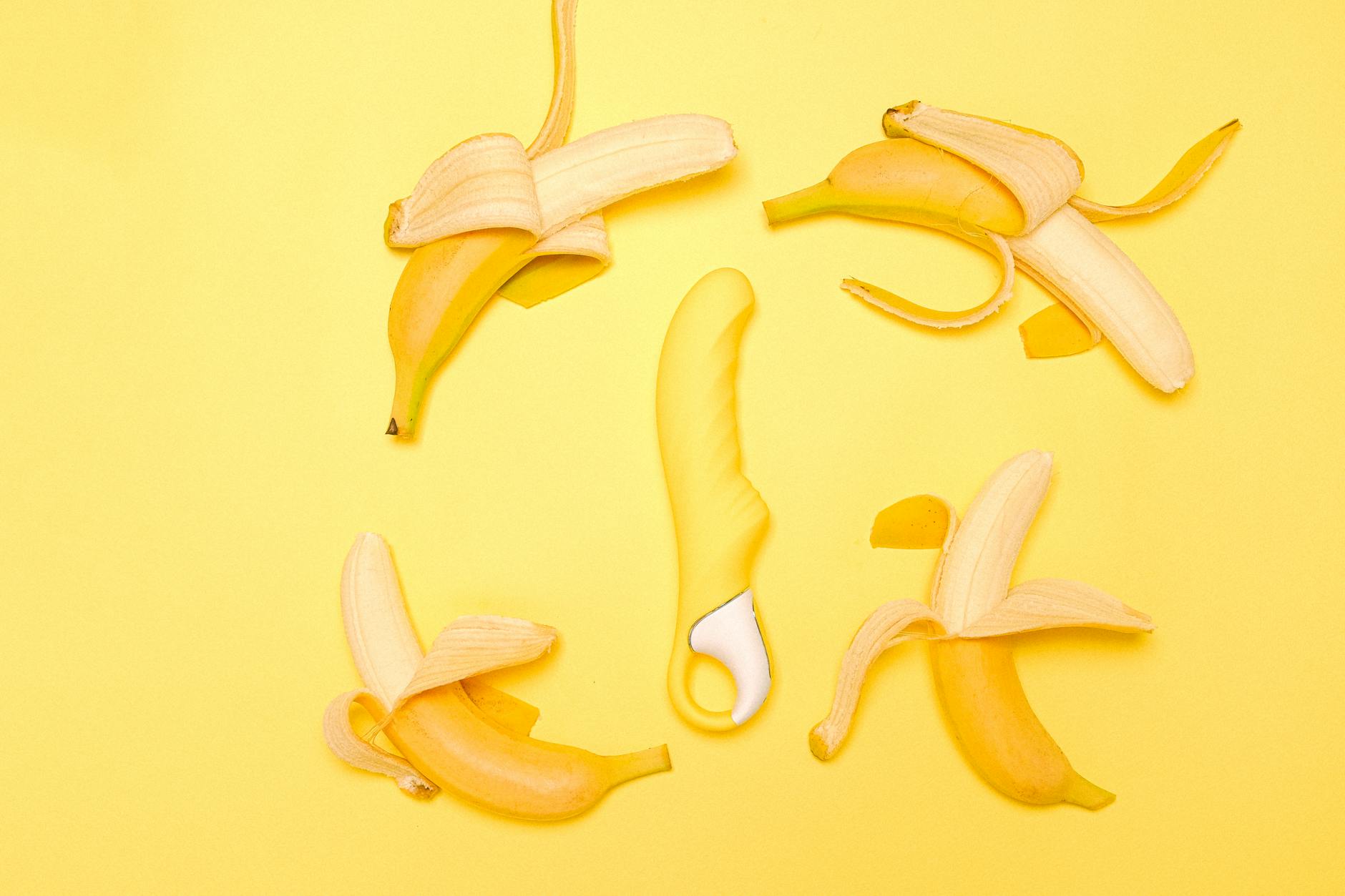
Here's what nobody tells you about postpartum pleasure
Your body made a human. That's extraordinary. It's also a fundamentally different body than it was nine months ago, and the recovery timeline for pleasure is nothing like what you've been told. Most postpartum conversations focus on pain (which is valid) or on getting your "old self back" (which is neither possible nor desirable). What almost nobody talks about is pleasure itself—how it returns, what feels different, and what tools actually work.
I'm here to change that. Because the truth is, your pelvic floor, your clitoral tissue, and your nervous system all deserve intentional, informed care as they heal. And some tools work wildly better than others.
What actually happens to your pelvic floor after birth
Let's be specific. During pregnancy, your pelvic floor stretches under the weight of the baby and hormonal loosening. During labor, whether vaginal or cesarean, those tissues experience significant stress. Even cesarean birth, which bypasses vaginal stretching, still involves hormonal shifts and core abdominal trauma. The result is a pelvic floor that's both weakened and hyperactive—tight and underactive all at once.
That dual state is key. Your pelvic floor doesn't just need strengthening; it needs to relearn how to relax. And this is where most postpartum advice goes wrong. People get told to do Kegels immediately, which can actually make things worse if the floor is already tense and holding.
The clitoral tissue itself also changes. Swelling from birth resolves over weeks, which means sensation feels different—sometimes muted, sometimes hypersensitive, sometimes both in different spots. Add in lochia (postpartum bleeding), hormonal shifts from lactation or lack thereof, sleep deprivation, and the mental load of keeping a human alive, and pleasure becomes genuinely complicated.
What doesn't change: the clitoral nerve density, the brain's capacity for orgasm, or your right to pleasure. These are unchanged.
Why lemon vibrators (specifically suction technology) are different for postpartum bodies
Most clitoral vibrators use direct percussion or vibration. They require steady pressure, which feels intense on already-tender tissue. They also demand pelvic floor activation to feel good, which is exactly what you're trying to teach your body not to do right now.
Lemon suction vibrators work differently. Instead of vibrating against tissue, they create a gentle suction pulse that stimulates the clitoral nerve network without direct friction. This matters for three reasons:
1. No friction means less inflammation. Your tissues are already inflamed from birth. Adding friction-based vibration prolongs that state. Suction avoids it.
2. Suction teaches your pelvic floor to relax. The sensation of gentle suction actually cues relaxation rather than contraction. Over time, this retrains your floor to release tension—which is the foundation of postpartum recovery.
3. The sensation is concentrated in nerves, not pressure. You get stimulation without the intensity of direct contact, which means less risk of pain, irritation, or overstimulation of vulnerable tissue.
I've worked with hundreds of postpartum people who tried traditional vibrators and felt nothing, or felt too much. Lemon clitoral vibrators consistently report that the sensation is "just right"—responsive without being aggressive.
The timeline that actually makes sense
Most medical advice says "six weeks" before sex. That's technically when bleeding stops and major tears heal. But postpartum pleasure is not the same as medical clearance for penetration.
Here's what I recommend:
Weeks 0-4: Observation only. Your body is bleeding, swollen, and exhausted. This is not the time for pleasure exploration. Touch yourself for comfort if you want to, but don't expect or push for arousal.
Weeks 4-6: Gentle external touch. If you're curious, light clitoral touching with clean fingers is fine. No vibration yet. Notice what feels okay and what doesn't. Tenderness around the perineum is normal. Shooting pain is a sign to pause.
Week 6 onward: Clearance-dependent exploration. Once your doctor confirms you're healed, you can think about vibration. Start with the lowest settings on a lemon clitoral vibrator. The gentle suction means you can control intensity without aggression.
Week 8+: Integration into partnered pleasure. If you have a partner, this is when you can begin thinking about shared pleasure again. But go slowly. Postpartum bodies need different pacing, and communication is everything.
This timeline assumes straightforward recovery. Significant tears, cesarean complications, or pelvic floor dysfunction mean you might need pelvic floor physical therapy before vibration of any kind. That's not a failure—that's smart care.
How to actually use a lemon vibrator postpartum (the right way)
Start with water-based lubricant, always. Postpartum tissue tends toward dryness, especially if you're breastfeeding. Lubrication isn't optional; it's part of the tool.
Begin on the lowest suction setting. With the Lem vibrator, that's pattern 1. Spend five minutes just exploring the sensation. Don't chase orgasm. Orgasm isn't the goal right now; reconnection is.
Pay attention to what your body tells you. Mild tingling or warmth is normal. Sharp pain, burning, or intense pressure means stop immediately. Your nervous system is still settling; trust its signals.
Keep sessions short, maybe 10-15 minutes max. Your pelvic floor and nervous system tire easily postpartum. Consistent gentle exploration beats marathon sessions.
Most importantly, approach this with curiosity, not obligation. You don't owe anyone pleasure right now, including yourself. If it doesn't feel good, you can pause for weeks or months. Your body will let you know when it's ready.
The mental piece that changes everything
Postpartum is a profound identity shift. You're touched out, sleep-deprived, hormonally volatile, and probably grieving the person you were before—even if you're thrilled about the baby. Pleasure gets lost in that storm.
Here's what I tell couples: pleasure isn't the priority right now. Connection is. And sometimes that means your partner needs to understand that gentle, pressure-free exploration with a lemon clitoral vibrator is how you reconnect to your body. Not because you're "ready" for sex in the traditional sense, but because claiming your own pleasure is how you remember you're still you.
If you have a partner, tell them what you need. "I want to explore pleasure again, but slowly and on my own terms" is a complete sentence. They don't need to be involved. They do need to respect the boundary.
When to seek help
If pain persists beyond 12 weeks, see a pelvic floor physical therapist. Postpartum pelvic pain is common, but it's also very treatable. Don't white-knuckle through it.
If desire hasn't returned by six months and you want it to, ask your doctor about testosterone levels. Postpartum hormonal shifts can tank libido. That's fixable.
If you're struggling emotionally with the changes to your body or your sexuality, therapy is worth it. Postpartum identity crisis is real, and it deserves real support.
The honest truth
Your postpartum body isn't broken. It's reorganizing. Pleasure will return, often richer and more intentional than before because you'll have learned to listen to what you actually want instead of what you think you should want. Lemon vibrators, with their gentler suction technology, can be part of that reconnection. But so can patience, communication, and the radical act of prioritizing your own pleasure recovery.
People also ask
Is it safe to use a lemon vibrator if I had a cesarean birth?
Yes, absolutely. Cesarean birth avoids vaginal stretching, but your body still experiences hormonal shifts and pelvic floor tension. A lemon suction vibrator is actually gentler than many postpartum activities (like running or heavy lifting) precisely because it doesn't create impact. The timeline is the same: wait until medical clearance around six weeks, then start on the lowest setting.
How long after birth should I wait before using any vibrator?
Wait for medical clearance, typically six weeks. But that clearance is for penetration and heavy exercise, not for gentle external clitoral exploration. If you want to use a lemon clitoral vibrator on the lowest setting after week 6, that's fine. If you're not ready until month 4 or 6, that's fine too. Your body's timeline is the real timeline.
Can I use a lemon vibrator if I'm breastfeeding?
Yes. Breastfeeding lowers estrogen, which can reduce lubrication and sensitivity, but it doesn't make vibrators unsafe. You might find that water-based lubricant helps more than usual, and that you need lower intensity. But pleasure is possible while breastfeeding. Your body isn't off-limits just because you're feeding a baby.
What if using a lemon vibrator causes pain?
Stop and check three things: Are you using lubricant? Is the setting too high? Is your pelvic floor relaxed (not gripping)? If you've adjusted all three and pain persists, pause exploration and mention it at your six-week checkup. You might have a small tear that needs care, or pelvic floor tension that responds to physical therapy. Pain is information, not failure.
How does lemon suction technology compare to traditional vibrators for postpartum recovery?
Traditional vibrators use direct percussion, which creates impact and requires pelvic floor engagement. Lemon suction vibrators create gentle stimulation through air-pulse technology, which relaxes the pelvic floor rather than activating it. For postpartum bodies still learning how to release tension, suction is gentler and more effective. You can explore how lemon suction toys compare to traditional vibrators for a deeper breakdown.
Is it normal to feel nothing or very little sensation after birth?
Completely normal. Your nervous system is recalibrating, swelling is present even when invisible, and hormonal shifts affect sensitivity. Sensation typically returns gradually over 12-16 weeks. If you feel nothing by month 4 and you want to, mention it to your doctor. Sometimes postpartum hormonal imbalance or pelvic floor dysfunction needs specific treatment. You might also find why lemon vibrators work better for sensitive areas helpful during this phase.
Moving forward
Recovery isn't linear. Some days you'll feel ready to explore. Other days you'll feel untouchable. Both are normal. Pleasure after birth is about patience, communication, and choosing tools—like lemon clitoral vibrators—that work with your healing body, not against it. Your pleasure matters. And your recovery timeline matters more than anyone else's timeline.
If you have questions about your postpartum recovery or how to approach pleasure again, reach out. That's what I'm here for.